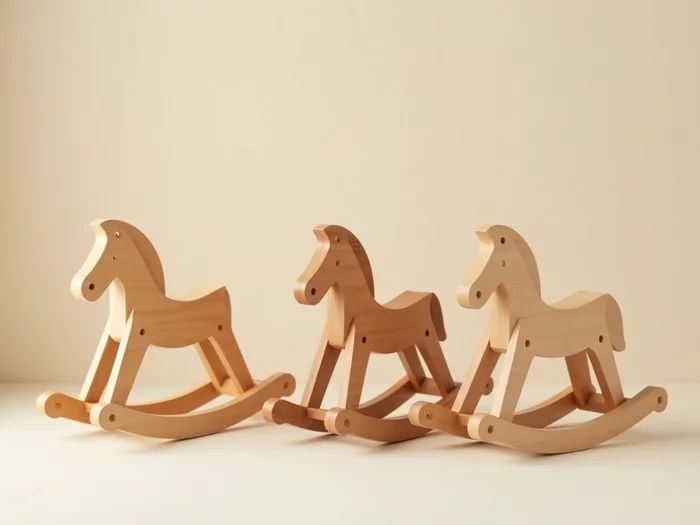
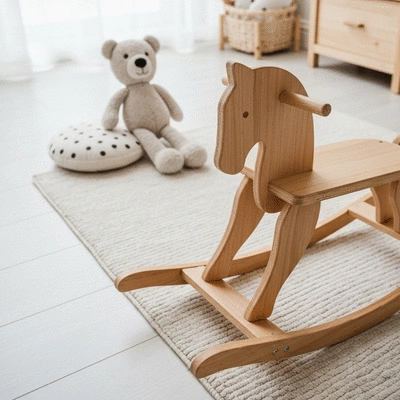
When it comes to selecting the perfect material for a rocking horse, the choice extends beyond aesthetics. Choosing the right wood ensures safety, durability, and the promise of countless joyful memories for your child. Let's explore what you can learn about making an informed decision!
What You Will Learn
The importance of wood selection for safety and durability in rocking horses.
Characteristics of popular wood types like oak, pine, and poplar.
How the properties of different woods affect their suitability for children’s toys.
Factors to consider based on the child’s age and usage intensity when choosing wood.
A comparative overview of popular wood types used for rocking horses, highlighting their key characteristics in terms of durability, workability, and maintenance.
Oak
Durability: Exceptional strength, lasts generations with proper care.
Hardness: Highest Janka rating, highly resistant to dents.
Workability: Requires more effort to carve and shape due to density.
Maintenance: Periodic polishing to maintain shine; splinters less due to density.
Best For: Older children, vigorous play, heirloom pieces.
Pine
Durability: Good for its weight/cost, provides several years of fun.
Hardness: Lighter, softer wood; may show wear sooner.
Workability: Easier to carve and work with, popular among crafters.
Maintenance: May require more sanding for smooth edges; frequent repainting/staining.
Best For: Younger children, lighter use, budget-friendly projects.
Poplar
Durability: Shorter lifespan than oak; good for lighter use.
Hardness: Valued for smooth surface and uniform grain.
Workability: Good balance of weight and strength; easy to achieve polished finish.
Maintenance: Generally holds up well; can splinter if not properly finished.
Best For: Balanced use, smooth finishes, general play.
Understanding Rocking Horse Materials: A Deep Dive into Wood Choices
Choosing the right material for a rocking horse isn’t just about aesthetics; it’s about ensuring durability, safety, and craftability as well. As a toy enthusiast, I understand the importance of selecting a wood type that will endure the playful energy of children aged 1-5. The right choice can mean the difference between a cherished family heirloom and a flimsy toy that won’t last the season!
When I'm reviewing rocking horses, I always emphasize the significance of the wood used. Different woods offer unique benefits. For instance, certain types might be more resistant to wear and tear, while others are easier to carve into beautiful shapes. Safety is paramount—you want a rocking horse that can safely withstand tumbles and the enthusiastic play of little ones!
Why the Right Wood Matters for Rocking Horses
The material choice plays a vital role in the overall performance and safety of a rocking horse. Here are a few key reasons why the right wood matters:
Safety: Quality wood adheres to safety standards, reducing the risk of splinters or breakage.
Durability: Select woods that can withstand daily use and the test of time.
Craftability: Some woods are easier to shape and finish, allowing for more intricate designs. For more on woodworking techniques, refer to this resource on woodworking.
By keeping these factors in mind, you can make an informed decision that ensures your rocking horse isn’t just a toy, but a memorable part of childhood!
Overview of Popular Wood Types: Oak, Pine, and Poplar
Three of the most common woods used for rocking horses in the UK are oak, pine, and poplar. Each of these woods brings its own unique characteristics:
Oak: Known for its exceptional strength and durability, oak is a classic choice that ages beautifully.
Pine: A lighter wood, pine is often more affordable and easy to work with, making it a favorite among crafters.
Poplar: This wood is valued for its smooth surface and uniform grain, which helps in achieving a polished finish.
Understanding these popular wood types can help you choose the right one for your child's rocking horse, ensuring it’s both enjoyable and safe for years to come!
Oak vs Pine vs Poplar: Which Wood Is Best for a Rocking Horse?
Now that we've introduced the woods, let’s dive deeper into their properties to determine which might be the best fit for your needs. Each type of wood has its advantages and disadvantages, and making the right choice can enhance your child’s play experience while ensuring longevity.
Comparative Analysis of Material Properties
When comparing oak, pine, and poplar, several material properties come into play:
Hardness: Oak has the highest Janka hardness rating, making it highly resistant to dents. For more detailed information on wood properties, you can consult publications from the USDA Forest Service.
Weight: Pine is the lightest of the three, making it easier to handle and move.
Durability: Oak outlasts the rest, but pine offers good durability for its weight and cost.
Workability: Pine is often easier to carve than oak, which may require more effort to shape.
This comparison helps you weigh the pros and cons of each wood type, guiding you toward the best choice for your rocking horse project!
Durability and Longevity of Each Wood Type
When it comes to longevity, oak typically stands out. With proper care, an oak rocking horse can last for generations. Pine, while durable, may show signs of wear sooner but can still provide several years of fun. On the other hand, poplar has a shorter lifespan compared to the others but can be a great choice for lighter use.
As a parent, you’ll want to consider how long you expect the rocking horse to last. Choosing a durable wood like oak can be an investment that pays off, creating cherished memories for your family!
Resistance to Splintering and Maintenance Considerations
All three wood types have varying degrees of resistance to splintering, which is crucial for safety. Oak tends to splinter less due to its density, while pine may require additional sanding to smooth edges. Poplar generally holds up well but can still develop splinters if not properly finished. It's also worth noting potential wood allergies and toxicity when considering finishes and wood types for children's toys.
Maintenance also varies by wood. Oak might need periodic polishing to maintain its shine, while pine may require more frequent repainting or staining to keep it looking fresh. Regular upkeep ensures that your rocking horse remains a safe and beautiful part of your child’s playtime!
We Want to Hear From You!
When it comes to choosing the best wood for your child's rocking horse, what factors matter most to you? Is it durability, safety, or perhaps the aesthetic appeal? Share your thoughts below:
Choosing the Right Wood for Your Rocking Horse Project
When it comes to selecting the perfect wood for your rocking horse project, it’s crucial to consider both the age of the child and how intensively the horse will be used. For younger children, a softer wood like pine might be ideal, as it provides the stability and safety they need while being lightweight. On the other hand, if you’re crafting a rocking horse for older kids or one that will see more vigorous play, durable options like oak may serve you better.
Here are some factors to keep in mind when choosing the wood:
Child's Age: Younger toddlers benefit from stable, low-profile horses made from softer woods.
Usage Intensity: Consider how often the rocking horse will be played with. Frequent use demands sturdier materials.
Safety Considerations: Ensure the wood you choose meets safety standards and won't splinter easily.
In my experience with Rocking Horse Reviews, I’ve found that each wood type has its own personality, which can greatly influence how the horse performs in playtime. It's always fun to match the wood’s characteristics with the child’s play style!
Frequently Asked Questions About Rocking Horse Wood
What is the best wood for a rocking horse?
The best wood depends on the child's age and intended use. Oak is excellent for durability and heirloom pieces, pine is good for younger children and budget-friendly projects, while poplar offers a smooth finish and balanced use.
Why is wood choice important for rocking horses?
Choosing the right wood ensures safety by reducing the risk of splinters or breakage, provides durability for long-lasting enjoyment, and impacts craftability, allowing for easier shaping and finishing of intricate designs.
Which wood is most durable for a rocking horse?
Oak is generally considered the most durable, known for its exceptional strength and ability to last for generations with proper care.
Which wood is easiest to work with for crafting a rocking horse?
Pine is often easier to carve and work with due to its softer nature, making it a popular choice among crafters and for DIY projects.
What maintenance do different wood types require for a rocking horse?
Oak may require periodic polishing to maintain its shine. Pine might need more frequent repainting or staining and additional sanding for smooth edges. Poplar generally holds up well but requires proper finishing to prevent splinters.
Case Studies and User Testimonials
Real-life experiences can provide valuable insights into how different woods perform in everyday use. Let’s take a look at some testimonials from parents who have shared their journeys with oak, pine, and poplar rocking horses:
Sarah, a mother of two: "We went with a pine rocking horse for my daughter when she was just one. It was light enough for her to push around easily, and it has held up well!"
James, a grandfather: "I crafted a rocking horse from oak for my grandson, and it’s become a family heirloom. The durability is outstanding, and it still looks new after years of play."
Emma, a toy shop owner: "We often recommend poplar for its balance of weight and strength. Kids love the smooth finish!"
These stories not only highlight the practicality of various woods but also showcase how personal experiences can shape our choices. It’s always a joy to see families enjoying these classic toys, knowing I played a part in guiding them!
Recap of Key Points
Here is a quick recap of the important points discussed in the article:
Safety: Choose quality wood that meets safety standards to reduce risks of splinters and breakage.
Durability: Opt for woods like oak that can withstand daily use and last for generations.
Craftability: Consider woods that are easier to shape for more intricate designs.
Wood Types: Oak is strong and durable, pine is lightweight and affordable, while poplar offers a smooth finish.
Maintenance: Regular upkeep is essential; oak may need polishing, while pine may require repainting.
Child's Age: Select softer woods for younger children and more durable options for older kids or intense use.
Your trusted UK guide for finding the perfect rocking horse for children aged 1-5. We help parents, grandparents, and gift buyers make informed choices with our expert insights.
Trusted by families across the UK, our mission is to provide reliable, in-depth reviews and comprehensive buying guides, all backed by UK toy safety standards.
Tip — Always check for the EN 71 safety standard when buying a rocking horse in the UK. It ensures your little one's playtime is safe and sound!
Tip — Consider your child's age! For toddlers 1-2, look for low-profile designs with good stability. For 3-5 year olds, more adventurous models can spark endless fun.
Tip — Wooden or plush? Wooden rocking horses offer durability and classic charm, while plush ones provide a soft, cuddly friend. Which suits your family's style?
Tip — Don't forget about maintenance! Wooden horses are easy to wipe clean, while plush ones might need a spot clean or a gentle brush to keep them looking fresh.
Tip — Look for adjustable features! Some rocking horses offer stirrups or handles that can be adjusted as your child grows, ensuring years of joyful rides.