Rocking Horses: Budget or Premium?

Posted on: 2026-06-23
By: Edyta Drabek
When it comes to choosing the perfect rocking horse for your little one, the options can be overwhelming. Understanding what makes these toys special can help you select the right one. Here are the essential takeaways that will guide you through your decision-making process.
What You Will Learn
- Rocking horses promote imaginative play, enhancing creativity and storytelling in children.
- Selecting the right rocking horse involves considering the child's age and developmental stage for optimal enjoyment and safety.
- There are two main types of rocking horses: wooden, which are durable and timeless, and plush, which offer comfort and a huggable experience.
- Budget-friendly rocking horses can provide great value, ensuring playtime is safe and enjoyable without overspending.
- Safety standards, such as compliance with EN 71 regulations, are essential in ensuring that rocking horses are safe for children to use.
- Comparing prices and exploring both online and local retailers can help you find the best deals on rocking horses.
Key Considerations for Rocking Horses
When selecting a rocking horse, key factors like age, material, and budget play a significant role. The visual below highlights these considerations for an informed choice.
Age & Developmental Stage
- • 1-2 Years: Low, stable designs for balance & support.
- • 3-4 Years: Secure grips, slightly more height for movement.
- • 5+ Years: Advanced models for bouncing & imaginative riding.
Material & Type Comparison
- • Wooden Horses: Durable, timeless, decorative, heirloom quality.
- • Plush Horses: Comfortable, cuddly, lightweight, easier for younger children.
Budget-Friendly Features
- • Affordability: Lower price point, accessible for many families.
- • Simpler Designs: Basic shapes and colors, still appealing to children.
- • Lightweight Materials: Often plastic or particle board, easy to handle.
Safety Standards
- • Certifications: Always check for EN 71 compliance labels.
- • Stability: Ensure low center of gravity & sturdy base.
- • No Small Parts: Avoid choking hazards for younger children.
Understanding the Basics of Rocking Horses
When I think of rocking horses, I’m reminded of the joy and laughter they bring to children. A rocking horse is more than just a toy; it’s a classic piece of childhood that captures imagination and encourages play. Its appeal lies in the gentle motion that simulates the feeling of riding a real horse, sparking creativity in young minds!
Rocking horses have been cherished gifts for generations, embodying a sense of nostalgia for parents and grandparents alike. They come in various designs and materials, which can make choosing the right one a delightful challenge. Let’s explore what makes these enchanting toys so special!
What is a Rocking Horse and Its Appeal?
A rocking horse is typically a toy that features a horse-shaped body mounted on curved rockers. This structure allows children to rock back and forth while holding onto the horse’s mane or handles. This interactive play promotes balance and coordination, making it a fantastic developmental tool! Plus, the different styles available can suit any child’s taste. Many luxury children's rocking horses, for example, boast intricate designs and high-quality craftsmanship, making them not only toys but also beautiful collector's items.
- Encourages imaginative play
- Helps develop motor skills
- Can be a beautiful decor piece in your home
The joy of owning a rocking horse is not just about riding; it’s about the stories and adventures a child can create while playing. From galloping through forests to embarking on treasure hunts, the possibilities are endless!
The Role of Age and Development in Rocking Horse Selection
Choosing the right rocking horse involves considering your child’s age and developmental stage. For instance, toddlers aged 1-2 benefit from low-profile rocking horses that offer stability and support, while children aged 3-5 might enjoy models that allow for more movement and adventure. It's crucial to select a toy that is appropriate for their current stage to ensure both safety and enjoyment, as highlighted in various guides on the best rocking horses for different age groups.
It’s essential to think about your child’s abilities and preferences. A well-chosen rocking horse can become a beloved companion, nurturing both their physical and imaginative skills. Here are some age-related considerations:
- 1-2 years: Look for low, stable designs
- 3-4 years: Choose horses with secure grips and slightly more height
- 5 years and up: Opt for advanced models that encourage bouncing and riding
Exploring Different Types: Wooden vs Plush Rocking Horses
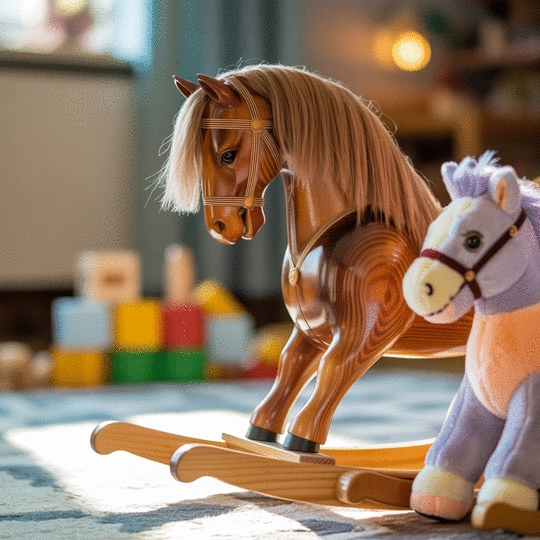
When diving into the world of rocking horses, you’ll notice two main types: wooden and plush. Each has its unique charm and advantages. Wooden rocking horses are sturdy, often beautifully crafted, and can last for generations, making them great heirlooms. For a comprehensive guide on selecting a wooden rocking horse, including tips for toddlers, kids, and babies, you can refer to expert buyer's guides.
On the other hand, plush rocking horses offer a soft, huggable experience that many little ones adore. They are often lighter and easier to handle, making them perfect for younger children who might be less stable.
- Wooden Rocking Horses: Durable, timeless, and often more decorative
- Plush Rocking Horses: Comfortable, cuddly, and lightweight
Ultimately, the choice between wooden and plush comes down to your child’s personality and your family’s lifestyle. Both options have their merits, so consider what aligns best with your little one’s playtime dreams!
Interactive Poll: Your Thoughts!
When selecting a rocking horse for your child, what factor do you prioritize the most? Share your thoughts below:
Frequently Asked Questions About Rocking Horses
Here are some common questions to help you make an informed decision when choosing a rocking horse:
- What age is appropriate for a rocking horse?
Rocking horses are suitable for children from 1 year old and up, with specific designs catering to different developmental stages. Toddlers (1-2 years) need low, stable designs, while older children (5+ years) can enjoy more advanced models. - What are the benefits of a rocking horse for child development?
Rocking horses encourage imaginative play, help develop gross motor skills, improve balance and coordination, and can serve as a calming activity. - Should I choose a wooden or plush rocking horse?
Wooden rocking horses are durable, timeless, and often decorative, appealing to those looking for a classic toy or heirloom. Plush rocking horses are softer, more comfortable, and lighter, making them ideal for younger children or those who prefer a cuddly friend. - Are budget-friendly rocking horses safe?
Yes, budget-friendly rocking horses must still comply with essential safety standards, such as EN 71 regulations. Always check for safety labels, ensure a low center of gravity, and confirm there are no small, detachable parts that could pose a choking hazard. - How can I find the best deal on a rocking horse?
To find affordable options, compare prices at online retailers like Amazon, check local toy stores for sales, and look for discounts during seasonal events or holidays.
Budget-Friendly Rocking Horses: What to Expect
When it comes to selecting a rocking horse that won't break the bank, there are plenty of options that offer great value! Budget-friendly rocking horses can be a wise choice, especially for families wanting to provide a fun and safe playtime experience for their little ones. However, understanding what to expect is crucial to making a well-informed purchase.
These rocking horses typically come with features that cater to younger children, blending playfulness with essential safety standards. Let’s dive into what defines these economical options!
Defining Characteristics of Budget Rocking Horses
Budget rocking horses are often designed with accessibility in mind. They are made to provide enjoyment without the hefty price tag, making them a hit among parents and caregivers. Here are some defining characteristics you can expect:
- Affordability: Priced lower than premium options, allowing families to find something within their budget.
- Simpler Designs: Often featuring basic shapes and colors, which still appeal to young children.
- Lightweight Materials: Typically constructed from less expensive materials, making them easier to move and handle.
While these features make budget rocking horses a great option, it’s essential to also consider their limitations. They may not have as many advanced safety features or durable materials as their premium counterparts.
Materials and Construction: What You Get for Less
The materials used in budget rocking horses can vary widely, but often include plastic, particle board, or low-grade wood. These materials help keep production costs down, but might not offer the same longevity as higher-quality options. Here’s a quick overview of what you typically find:
- Plastic Models: Lightweight and colorful, perfect for toddlers just starting to rock!
- Particle Board Designs: Less durable but often more visually appealing with fun designs.
- Basic Wood Construction: A mix of affordability and sturdiness, although quality may vary.
Understanding these material choices helps you gauge the balance between cost and durability. Remember, opting for something more affordable doesn’t mean you have to compromise on safety!
Safety Standards for Budget Rocking Horses
Safety is a top priority for any rocking horse, regardless of the price range. Fortunately, budget rocking horses must still comply with essential safety standards set by organizations like the UK’s EN 71 regulations. These standards ensure that the toys are safe for children, but here are a few things to watch for:
- Labels and Certifications: Always check for safety labels that confirm compliance with relevant regulations.
- Stability Features: Ensure the rocking horse has a low center of gravity and a sturdy base.
- Avoid Small Parts: Ensure that no small detachable parts could pose a choking hazard.
In my experience, investing a little time in researching safety standards for rocking horses can provide peace of mind for parents. Your little one's playtime should be joyful and secure!
Price Comparison: Finding Affordable Options
Finally, let’s talk about how to find the best deals on budget rocking horses! Shopping around ensures that you get the best value for your money. Here’s a quick guide on comparing prices:
- Online Retailers: Websites like Amazon often have competitive prices and customer reviews.
- Local Toy Stores: Don’t forget to check smaller shops—they may have hidden gems or sales!
- Seasonal Sales: Look for discounts during holiday seasons or back-to-school sales.
Taking the time to compare prices and options can lead to finding the perfect rocking horse that fits your budget while ensuring fun and safety for your child!
Recap of Key Points
Here is a quick recap of the important points discussed in the article:
- Rocking horses stimulate imaginative play and encourage motor skills development.
- Selecting the right rocking horse depends on your child’s age and developmental stage.
- Wooden rocking horses are durable and decorative, while plush options are soft and cuddly.
- Budget-friendly rocking horses offer great value but may have limitations in safety features and materials.
- Always check for safety labels and consider stability features when choosing a rocking horse.
- Comparing prices across online retailers and local shops can help you find the best deals.
 What if choosing a gift could spark a child's imagination while creating lasting memories? Rocking h
 When it comes to ensuring that children enjoy safe and engaging play experiences, understanding safe
 What if your choice of a simple rocking horse could be a decision that impacts your child's safety a