Rocking Horse Wisdom Delivered!

Get Edyta's expert reviews and safety tips straight to your inbox – perfect for UK parents & gift buyers!

Rocking Horse Safety and Materials


Rocking Horse Safety and Materials

Posted on: 2026-08-10
By: Edyta Drabek


When it comes to ensuring that children enjoy safe and engaging play experiences, understanding safety standards is crucial. EN 71 regulations provide a framework for toy safety, specifically addressing important factors that protect our little ones. Here’s what you will learn about these essential guidelines.

What You Will Learn

  • EN 71 Standards: These regulations cover mechanical safety, physical properties, and chemical safety, ensuring toys are safe for children.
  • Importance of Compliance: Adhering to EN 71 standards boosts consumer confidence and enhances marketability for manufacturers.
  • Stability Metrics: A wider base and proper weight distribution are crucial for preventing tipping in rocking horses.
  • Age and Weight Guidelines: Clear labeling is essential for ensuring that toys are suitable for children's developmental stages.

EN 71 Safety Standards for Rocking Horses

Ensuring child safety in toys is paramount. The EN 71 standards provide a comprehensive framework for mechanical, physical, and chemical safety, crucial for rocking horses. Below are the key compliance pillars and their requirements.

EN 71 Safety Standards Overview

A set of European regulations ensuring toy safety, covering mechanical, physical, and chemical properties. Essential for protecting children from hazards and building consumer trust.

Three Pillars of Rocking Horse Safety

  • Mechanical Safety: Free from sharp edges, robust construction.
  • Physical Properties: Structural integrity, stability during use.
  • Chemical Safety: Non-toxic materials, safe finishes.

Compliance Benefits for Brands

  • Marketability: Increased consumer trust and appeal.
  • Legal Obligation: Avoids fines and legal issues.
  • Consumer Confidence: Fosters positive reviews & repeat business.

Mechanical & Physical Requirements

  • Stability (Tipping): Wider base, proper weight distribution.
  • Age Warnings: Clear labeling for appropriate age range.
  • Weight Limits: Specified maximum weight for safe use.

Key Pillars of Safe Design

  • Durability: Strong materials prevent breakage.
  • Stability: Prevents tipping, keeps children secure.
  • Age Appropriateness: Designs suited for developmental stages.

Understanding EN 71 Safety Standards for Rocking Horses

When it comes to ensuring that our little ones enjoy safe and engaging play experiences, understanding EN 71 safety standards is crucial. These standards are a set of regulations developed by the European Committee for Standardization (CEN) that outline safety requirements for toys, including rocking horses. Their significance in the toy industry cannot be overstated, as they help protect children from potential hazards and ensure that toys meet essential safety criteria.

As a toy enthusiast myself, I can assure you that compliance with these standards not only helps keep children safe but also builds trust between manufacturers, retailers, and parents. Knowing that a rocking horse has been tested and certified under EN 71 gives us all peace of mind when selecting the perfect toy for our children! You can find detailed information on these standards, including those specific to activity toys like rocking horses, from reputable sources such as EN 71-8:2011 on activity toys and the NEN EN 71-8:2011 standard itself.

What Are EN 71 Safety Standards?

The EN 71 standards cover various aspects of toy safety, such as mechanical and physical properties, flammability, and chemical safety. For rocking horses, this includes requirements for stability, durability, and the use of non-toxic materials. Each of these factors contributes to the overall safety of the toy and ensures it can withstand the rigors of playtime.

  • Mechanical safety: Ensures toys are free from sharp edges and can withstand the forces exerted during play.
  • Physical properties: Focuses on structural integrity and the toy's ability to remain stable during use.
  • Chemical safety: Addresses the use of safe materials, particularly concerning painted surfaces and finishes.
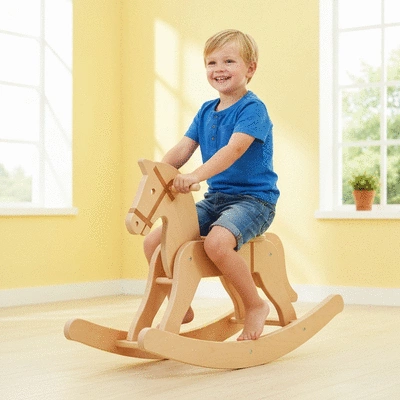
Child playing on a safe rocking horse in a bright room, demonstrating stability and durability, no text, no words, no typography, no labels, clean image

By understanding these components, we can make informed choices when purchasing rocking horses, knowing we are prioritizing our children's safety as the first step in creating joyful play experiences! For more general toy safety guidance, refer to the Kids Toys Guide from Product Safety Australia.

The Importance of Compliance for Manufacturers and Retailers

For manufacturers and retailers alike, adhering to EN 71 standards is essential for several reasons. First and foremost, it ensures the safety of children's toys, reducing the risk of injuries and recalls. This not only protects children but also preserves the reputation of the brand. When a manufacturer prioritizes compliance, it demonstrates a commitment to quality and safety, which parents and caregivers highly value.

  • Marketability: Compliance with EN 71 increases a toy's market appeal, as parents are more likely to purchase products they trust.
  • Legal obligations: Manufacturers must meet safety regulations to avoid legal issues and potential fines.
  • Consumer confidence: Safe and compliant products foster positive reviews and repeat business.

As part of Rocking Horse Reviews, I want to empower you with the knowledge to identify compliant toys. When shopping for a rocking horse, look for clear labeling and certifications that ensure the toy meets these crucial safety standards. Your child's safety is paramount, and understanding these regulations is an excellent step toward making informed decisions!

Key Mechanical and Physical Requirements for Rocking Horses

Stability and Tipping Resistance Metrics

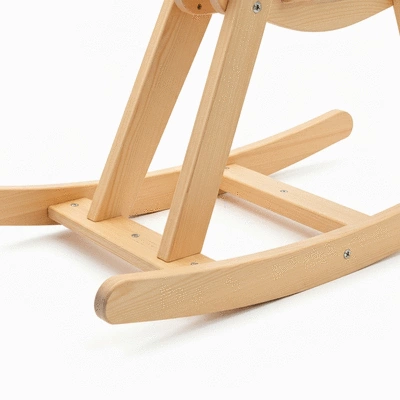
Stability is a pivotal factor in rocking horse design. The EN 71 standards outline specific metrics to ensure that a rocking horse can safely support children while preventing tipping during use. A stable rocking horse not only enhances safety but also encourages children to engage in imaginative play without fear.

  • Base width: A wider base provides a lower center of gravity, enhancing stability.
  • Weight distribution: Properly distributed weight prevents tipping and ensures the horse remains upright during play.
  • Testing protocols: Manufacturers are required to conduct tests to measure the stability of their rocking horses.
Close-up of a rocking horse base, illustrating a wide, stable design for child safety, no text, no words, no typography, no labels, clean image

By paying attention to these metrics, we can select rocking horses that offer both fun and safety, allowing children to enjoy their playtime fully!

Age Warnings and Usage Limitations

Age warnings and usage limitations are vital for ensuring that each rocking horse is suitable for its intended audience. For children under 36 months, manufacturers must consider factors like the child's size, strength, and developmental stage. Proper labeling helps parents choose the right toy that aligns with their child's abilities, enhancing both safety and enjoyment.

  • Recommended age: Look for clear labeling indicating the appropriate age range for the rocking horse.
  • Weight limits: Manufacturers should specify maximum weight limits to ensure safe use.
  • Usage guidelines: Toys should provide recommendations on how to use them safely.

Understanding these warnings can help caregivers make informed decisions that support healthy play and development. At Rocking Horse Reviews, I advocate for choosing age-appropriate toys that spark joy and inspiration in every child's playtime adventures!

Did You Know?

According to a recent study, toys that comply with safety standards, like EN 71, reduce the risk of injuries by over 60%. This emphasizes the importance of choosing compliant toys for our children, ensuring they not only have fun but stay safe while doing so!

Frequently Asked Questions About Rocking Horse Safety

What are EN 71 safety standards?
EN 71 standards are European regulations that outline safety requirements for toys, covering mechanical, physical, and chemical properties to ensure children's safety.
Why is EN 71 compliance important for rocking horses?
Compliance is crucial for preventing injuries, building consumer trust, increasing marketability for manufacturers, and ensuring legal adherence within the toy industry.
What mechanical aspects do EN 71 standards cover for rocking horses?
These standards cover stability (to prevent tipping), base width, proper weight distribution, and robust construction to ensure mechanical safety during play.
How do EN 71 standards address chemical safety in rocking horses?
Chemical safety focuses on ensuring that all materials used, especially painted surfaces and finishes, are non-toxic and safe for children.
What should consumers look for regarding age and weight limits?
Consumers should look for clear labeling on the toy that indicates the recommended age range and maximum weight limits to ensure the toy is appropriate and safe for their child's developmental stage.

Summarizing the Basics of Rocking Horse Safety Compliance

When it comes to ensuring safety in rocking horses, understanding material selection, compliance requirements, and testing processes is vital. As parents or caregivers, knowing these aspects not only helps in making informed decisions but also ensures that your little one enjoys their playtime safely. So, let's recap the crucial points!

  • Material Selection: Choose non-toxic, durable materials that can withstand wear and tear.
  • Compliance Requirements: Familiarize yourself with EN 71 standards to ensure that toys are safe for children.
  • Testing Processes: Understand the importance of testing for stability and age appropriateness to prevent accidents.

These three pillars form the foundation of safe rocking horse design. By prioritizing them, we can cultivate a safe play environment for our children while also ensuring that the toys we choose are both fun and reliable!

Next Steps for Manufacturers and Consumers

As we move forward, it’s essential for both manufacturers and consumers to take proactive steps regarding rocking horse safety compliance. Manufacturers should regularly review their products to ensure they meet EN 71 standards, while consumers must remain vigilant when selecting toys for their children. Here’s how:

  • Manufacturers should conduct routine safety audits of their products.
  • Consumers should look for safety certifications when purchasing rocking horses.
  • Both parties must stay informed about updates or changes to safety standards.

By collaborating on safety efforts, we can create a more secure marketplace for our children’s toys. The health and safety of our little ones should always be the top priority!

The Importance of Child Safety in Toy Design

In the world of toys, especially for young children, thoughtful design is key to ensuring safety and promoting healthy development. Rocking horses, with their potential for imaginative play, require careful consideration of both materials and design elements. When we think about child safety, here are a few critical factors to consider:

  • Durability: Strong materials prevent breakage, which can lead to injuries.
  • Stability: A well-designed base prevents tipping, keeping children secure during play.
  • Age Appropriateness: Selecting designs suited for different developmental stages promotes safe usage.

At Rocking Horse Reviews, we believe that every child deserves to play safely while exploring their creativity. By choosing toys that emphasize safety and thoughtful design, we not only protect our children but also encourage their growth and development in a playful environment!

Recap of Key Points

Here is a quick recap of the important points discussed in the article:
  • Understanding EN 71 Standards: Familiarize yourself with mechanical, physical, and chemical safety requirements for rocking horses.
  • Importance of Compliance: Compliance with EN 71 not only ensures safety but also enhances marketability and builds consumer trust.
  • Key Safety Metrics: Look for stability, tipping resistance, and appropriate age warnings when selecting a rocking horse.
  • Material Selection: Choose non-toxic and durable materials to ensure longevity and safety during play.
  • Ongoing Vigilance: Both manufacturers and consumers should stay informed and conduct regular safety checks and look for certifications.

Subscribe & Share
Affordable Rocking Horse Gift Ideas Affordable Rocking Horse Gift Ideas What if choosing a gift could spark a child's imagination while creating lasting memories? Rocking h
Rocking Horse Safety and Materials Rocking Horse Safety and Materials When it comes to ensuring that children enjoy safe and engaging play experiences, understanding safe
Understanding EN 71 Standards Together Understanding EN 71 Standards Together What if your choice of a simple rocking horse could be a decision that impacts your child's safety a
Banner
Rocking Horse Reviews

Your trusted UK guide for finding the perfect rocking horse for children aged 1-5. We help parents, grandparents, and gift buyers make informed choices with our expert insights.

Trusted by families across the UK, our mission is to provide reliable, in-depth reviews and comprehensive buying guides, all backed by UK toy safety standards.

Discover More
Recent Posts
Affordable Rocking Horse Gift Ideas Affordable Rocking Horse Gift Ideas

What if choosing a gift could spark a child's imag

Rocking Horse Safety and Materials Rocking Horse Safety and Materials

When it comes to ensuring that children enjoy safe

Understanding EN 71 Standards Together Understanding EN 71 Standards Together

What if your choice of a simple rocking horse coul

Rocking Horse Wisdom & Tips