Choosing Materials for Your Rocking Horse
Posted on: 2025-12-08
By: Edyta Drabek
Choosing the right material for your child's rocking horse can feel daunting, but it doesn't have to be! Whether you're drawn to the classic charm of wood or the vibrant colors of plastic, understanding the options available will help you make an informed decision that ensures safety and enjoyment for your little one.
What You Will Learn
- The material of a rocking horse impacts its safety, durability, and aesthetics.
- Different wood types, such as oak and pine, offer various benefits regarding sturdiness and longevity.
- Engineered wood options like plywood and MDF are versatile and cost-effective alternatives for rocking horse construction.
- Plastic rocking horses are lightweight and colorful but may lack the durability of wooden options.
- Metal rocking horses require careful consideration regarding safety features and rust resistance.
- Upholstered options provide comfort but may require more maintenance compared to other materials.
- Choosing non-toxic finishes is crucial for ensuring the safety of your child.
- Selecting age-appropriate materials can enhance your child's play experience and safety.
- Sustainable and eco-friendly materials are available for environmentally conscious families.
Rocking Horse Material Selection Guide
Understanding the properties of different materials is crucial for choosing a rocking horse that is safe, durable, and aesthetically pleasing. Below is a comparison of common materials, highlighting their key features and considerations.
Wooden Rocking Horses
Types: Oak, Pine, Hardwood, Softwood.
Pros: Classic, durable, aesthetic. Oak offers density and wear resistance; hardwoods provide stability and longevity.
Cons: Can be heavier; softwood options may not last as long.
Key Consideration: Weight and sturdiness relative to child's age/size.
Engineered Wood (Plywood & MDF)
Types: Plywood, MDF.
Pros: Versatile, cost-effective. Plywood is strong and warp-resistant. MDF has a smooth finish, easy to decorate.
Cons: MDF may lack durability under heavy use.
Key Consideration: Balance affordability with desired aesthetics and structural integrity.
Plastic Rocking Horses
Pros: Lightweight, vibrant colors, easy to clean, weather-resistant, less splintering.
Cons: May lack durability or traditional charm compared to wood.
Key Consideration: Prioritize ease of maintenance and resistance to outdoor elements.
Fabric & Upholstered Rocking Horses
Pros: Cozy, comfortable, enhances sensory experience.
Cons: Requires more maintenance; prone to stains.
Key Consideration: Look for washable or stain-resistant covers for easy cleaning.
A Guide to Choosing the Right Material for Your Rocking Horse
Choosing the right material for your child's rocking horse is essential for safety, durability, and aesthetics. Each material brings its own set of benefits and challenges, which can significantly affect your little one's playtime experience. Let’s explore the importance of material selection in more detail!
Understanding the Importance of Material Selection
The material of a rocking horse influences not just how it looks but also how long it lasts and how safe it is for your child. As a parent myself, I understand the weight of this decision. You want something that not only captures your child's imagination but also stands the test of time and wear!
- Safety: Different materials have varying safety standards. For comprehensive guidelines on toy safety, you can refer to resources like the U.S. Consumer Product Safety Commission's (CPSC) Toy Safety Business Education.
- Durability: Some materials withstand rough play better than others.
- Aesthetics: The material affects the overall look and design of the rocking horse.
By weighing these factors, you can make a more informed choice for your family.
Common Materials Used in Rocking Horses
Wooden Rocking Horses: Types and Features
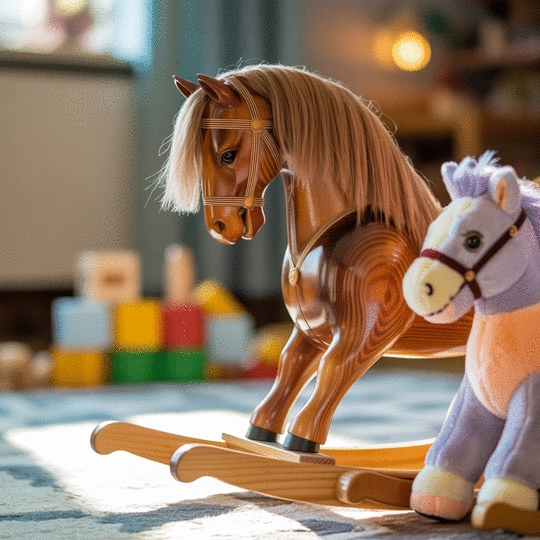
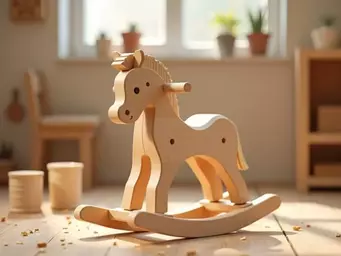
Wooden rocking horses are a classic choice! They come in various types, including oak, pine, hardwood, and softwood. Each type has its unique properties:
- Oak: This dense wood is known for its durability and resistance to wear.
- Pine: Typically more affordable, pine is lighter but still offers good strength.
- Hardwood: These types, like maple or beech, provide excellent stability and longevity.
- Softwood: Often used for less expensive options, but may not last as long.
When selecting a wooden rocking horse, consider the weight and sturdiness in relation to your child's age and size.
Plywood and MDF: Understanding Engineered Wood Options
Engineered wood options, like plywood and MDF, have become increasingly popular in rocking horse construction. These materials are made from layers of wood, making them versatile and cost-effective.
- Plywood: Known for its strength and resistance to warping, it's an excellent choice for stable structures.
- MDF: Offers a smooth finish and is easy to paint or decorate, but may not be as durable under heavy use.
Both materials can provide a great balance between affordability and aesthetics!
Plastic Rocking Horses: Pros and Cons
Plastic rocking horses are often lightweight and come in vibrant colors, making them appealing to many children. However, they do come with some considerations:
- Pros: Easy to clean, often weather-resistant, and less likely to splinter.
- Cons: May not have the same level of durability or charm as wooden options.
It's essential to weigh these factors based on your child's play habits.
Metal Rocking Horses: Safety and Durability Considerations
Metal rocking horses can be quite durable and are often made to withstand rough play. However, safety is a crucial factor to consider:
- Ensure they have smooth edges to prevent injuries.
- Check for rust resistance and stability in design.
When crafted well, metallic rocking horses can be a fun addition to playtime!
Fabric and Upholstery: Comfort and Maintenance
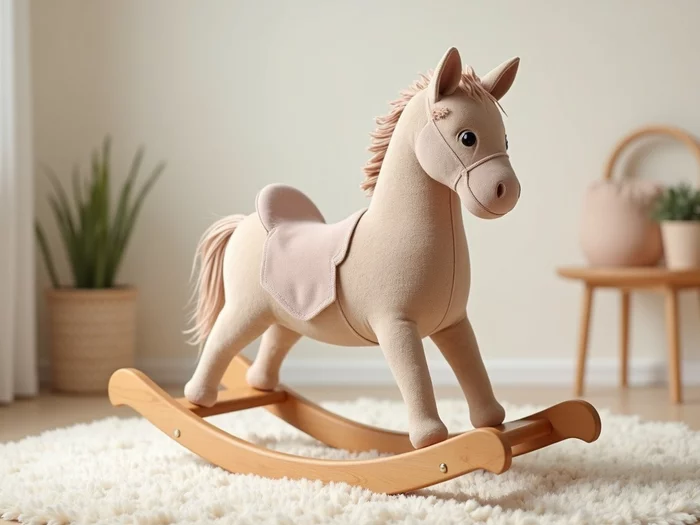
Upholstered rocking horses provide a cozy, inviting surface for children. Fabrics can add a touch of comfort, but they may require more maintenance:
- Look for washable covers that are easy to clean!
- Consider stain-resistant materials for less hassle.
Ultimately, the choice of fabric can enhance the sensory experience of riding a rocking horse while introducing a few maintenance considerations.
Evaluating Safety Standards for Children’s Toys
When selecting a rocking horse, it's vital to ensure it meets safety standards. In the UK, look for products that adhere to EN 71 regulations, which outline safety specifications for toys. Always check for labels and certifications to ensure a safe play environment for your little one! For more detailed information on safety standards, you can consult resources such as the Federal Register's Safety Standard for Infant and Infant/Toddler Rockers or the eCFR's Title 16, Chapter II, Part 1500, which details hazardous substances and articles subject to the Federal Hazardous Substances Act.
Durability and Longevity: What to Expect
The lifespan of a rocking horse largely depends on the material used. Wooden rocking horses, when maintained properly, can last for generations. On the other hand, plastic options might need replacing after a few years of heavy use. Always look for quality craftsmanship and materials that match your family's needs!
Understanding Non-Toxic Finishes and Their Importance
Choosing a rocking horse with non-toxic paints and varnishes is essential for your child's safety. These finishes ensure that there are no harmful chemicals that could pose risks. Look for products that specifically mention they meet safety standards for children’s toys.
Considering Age Appropriateness
It's essential to select materials suitable for your child's age group. For toddlers, look for low-profile designs made from softwoods or plush materials. For older children, consider more durable options like hardwood or metal that can support more active play.
Eco-Friendly and Sustainable Material Options
For eco-conscious families, there are several sustainable materials available that are both safe and beautiful. Look for brands that use reclaimed wood or non-toxic, eco-friendly finishes. Making a choice that’s good for the planet can also be beneficial for your child’s health!
Customization Tips and DIY Material Sourcing
For DIY enthusiasts, sourcing materials for a rocking horse can be an exciting project! Consider visiting local craft stores for wood, fabric, and non-toxic paints. Online marketplaces often have excellent deals on sustainable materials as well!
Real-Life Examples and Case Studies
Hearing from other parents and craftsmen can provide valuable insights into material choices. For instance, many parents appreciate the warmth of wooden rocking horses that have been passed down in their families. Craftsmen often share stories about how their choice of materials impacts the final product, making it personal and unique!
Exploring Design Trends and Styles in Rocking Horses
From classic designs to modern interpretations, the choice of material can significantly influence the aesthetics of a rocking horse. Wooden horses often have a timeless charm, while colorful plastic varieties capture the playful spirit of childhood. Understanding these trends can help you select a rocking horse that fits your style!
Maintenance Considerations for Your Rocking Horse
Different materials come with varying maintenance needs. While wooden horses may require occasional polishing, plastic ones are typically wiped clean. It's important to routinely inspect your rocking horse for wear and tear to ensure it remains safe and inviting for play!
Frequently Asked Questions About Rocking Horse Materials
Here are some common questions parents ask when choosing a rocking horse material:
- Which rocking horse material is safest for my child?
The safest materials are those that comply with relevant safety standards (like EN 71 in the UK) and use non-toxic finishes. Wooden rocking horses, especially those made from hardwoods, are generally very safe and durable. Plastic options are also safe if they are BPA-free and sturdy. - How does the material affect the durability of a rocking horse?
Wooden rocking horses, particularly those made from oak or other hardwoods, offer the highest durability and can last for generations. Engineered wood (plywood) also provides good durability. Plastic rocking horses are durable for everyday play but may not last as long as their wooden counterparts, while MDF might lack durability under heavy use. - Are plastic rocking horses a good choice?
Plastic rocking horses are a good choice for ease of cleaning, weather resistance, and vibrant colors. They are also lightweight and less prone to splintering. However, they may not offer the same traditional charm or longevity as wooden options. - What are the benefits of upholstered rocking horses?
Upholstered rocking horses provide enhanced comfort and a cozy sensory experience for children. They can be a great option for younger children or those who prefer a softer feel. However, they require more maintenance to keep clean and free from stains. - What should I look for in terms of eco-friendly rocking horse materials?
For eco-conscious families, look for rocking horses made from reclaimed wood, sustainably sourced timber, or those finished with non-toxic, eco-friendly paints and varnishes. Many brands are now prioritizing sustainable practices. - How important are non-toxic finishes for rocking horses?
Non-toxic finishes are extremely important for your child's safety. They ensure that your child is not exposed to harmful chemicals from paints or varnishes, especially since children often put toys in their mouths. Always look for products that explicitly state they use child-safe, non-toxic finishes.
We Want to Hear From You!
What material do you think is best for a rocking horse? Share your thoughts below:
Summarizing Key Considerations for Material Selection
When it comes to choosing the right material for your child's rocking horse, there are several essential factors to keep in mind. Safety, durability, and aesthetics are paramount, and understanding how each material performs in these areas will help you make an informed choice.
Here are the key considerations to recap:
- Safety: Ensure all materials comply with relevant safety standards.
- Durability: Opt for materials that withstand daily use and rough play.
- Maintenance: Consider how easy it is to clean and maintain the rocking horse.
- Aesthetics: Choose materials that complement your home decor and your child’s preferences.
By carefully weighing these factors, you can select a rocking horse that not only brings joy but also meets high safety standards!
Encouragement to Make an Informed Decision
As a passionate advocate for safe play, I encourage you to take your time evaluating your options. Remember, the right material for your rocking horse should align with both your safety standards and aesthetic preferences. Whether you lean towards a classic wooden design or a more modern plush style, ensuring it’s made from quality materials will enhance your child’s play experience.
I invite you to share your experiences or even reach out for further advice! Every family’s needs are unique, and I’m here to help guide you on this delightful journey.
Purchasing Guide: Where to Find Quality Rocking Horses
Finding a reputable seller is crucial when purchasing a rocking horse. Here are some tips to help you locate high-quality options:
- Local Artisans: Check out local craft fairs or artisan shops where you can find handmade rocking horses.
- Online Retailers: Look for established websites that specialize in children's toys, like Rocking Horse Reviews!
- Customer Reviews: Always read reviews to gauge the experiences of other buyers.
By sourcing your rocking horse from trusted sellers, you’re more likely to find a product that meets your expectations for safety and quality!
Warranty and Customer Support: What to Look For
Understanding the importance of warranties and customer support can provide peace of mind when purchasing your rocking horse. A solid warranty ensures that you are protected against defects and can often indicate the manufacturer’s confidence in their product.
Here’s what to look for:
- Length of Warranty: A longer warranty often reflects a commitment to quality.
- Customer Support: Evaluate how easy it is to contact the company for questions or issues.
- Return Policy: Check if they offer a reasonable return policy in case the product does not meet your expectations.
With these considerations in mind, you’ll not only choose a rocking horse that delights your child but also ensures your investment is protected. Happy shopping!
Recap of Key Points
Here is a quick recap of the important points discussed in the article:
- Safety: Ensure all materials comply with relevant safety standards, such as EN 71 regulations.
- Durability: Choose materials that can withstand daily use and rough play; wooden options tend to last longer than plastic.
- Maintenance: Consider ease of cleaning and upkeep when selecting a rocking horse.
- Aesthetics: Pick materials that complement your home decor and appeal to your child's preferences.
- Age Appropriateness: Select designs and materials that are suitable for your child's age and activity level.
- Sustainability: Look for eco-friendly materials that are safe and beneficial for the environment.
 What if choosing a gift could spark a child's imagination while creating lasting memories? Rocking h
 When it comes to ensuring that children enjoy safe and engaging play experiences, understanding safe
 What if your choice of a simple rocking horse could be a decision that impacts your child's safety a