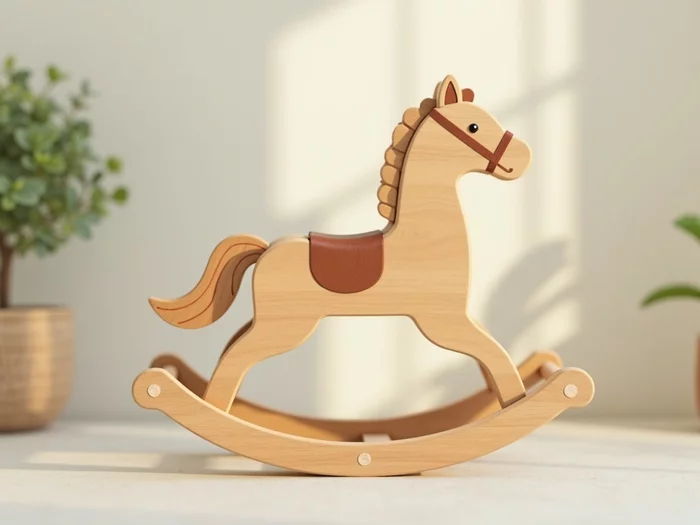
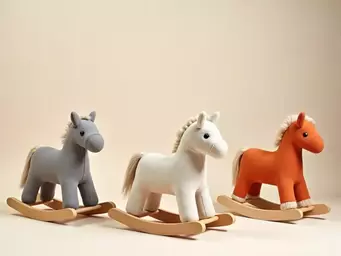
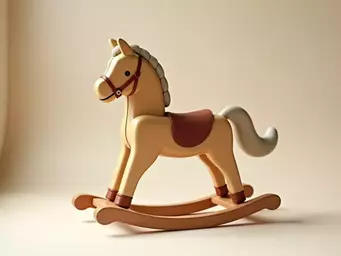
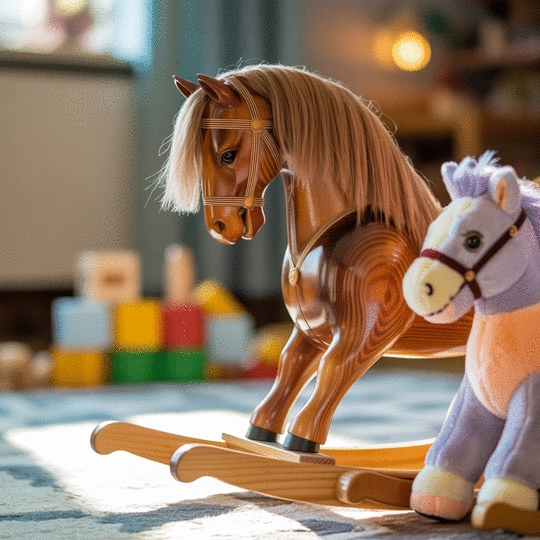
As the toy landscape evolves, understanding safety standards becomes crucial for ensuring your child's playtime is not only fun but also safe. The upcoming 2025 UK Toy Safety Standards are set to enhance safety for rocking horses. Are you ready to make informed choices that prioritize your child's well-being?
What You Will Learn
The EN 71 standards ensure that rocking horses meet essential safety benchmarks for mechanical properties, flammability, and harmful element migration.
Key updates in the 2025 revisions include new durability testing requirements and stricter limits on chemical migration.
Compliance certification, such as CE and ISO marks, indicates safety and quality, providing peace of mind for buyers.
Understanding safety labels and their significance can help you make informed decisions and ensure your child's safety during play.
Key Aspects of Rocking Horse Safety Standards (2025 UK)
Ensuring the safety of rocking horses involves understanding crucial standards and compliance measures. Below are the key areas to consider for a safe purchase.
EN 71 Standards Overview
The EN 71 standards are a set of regulations ensuring toy safety, including mechanical properties, flammability, and migration of harmful elements. They are regularly updated, with significant revisions expected in 2025 for enhanced safety.
✓ EN 71-1: Mechanical properties
✓ EN 71-2: Flammability
✓ EN 71-3: Migration of elements
2025 Revisions & Compliance
The upcoming 2025 EN 71 revisions will introduce stricter requirements for durability, chemical migration, and labeling. Additionally, Brexit impacts compliance, with the UKCA mark now crucial for toys sold in Great Britain.
● New durability tests
● Stricter chemical limits
● UKCA marking (post-Brexit)
Certifications & Labels
Compliance certifications like the CE Mark (EU) and UKCA Mark (GB) are vital indicators of safety. Always look for these labels and ask for documentation confirming rigorous testing for mechanical, flammability, and chemical safety.
★ CE Mark (EU standards)
★ UKCA Mark (GB standards)
★ Manufacturer documentation
Antique & Vintage Considerations
Older or handmade rocking horses may not meet current EN 71 standards. A thorough risk assessment is crucial, evaluating material safety, structural integrity, and the toy's usage history to ensure it's safe for children.
⚠ Material safety (non-toxic)
⚠ Structural integrity
⚠ Usage history & wear
Understanding the 2025 UK Toy Safety Standards for Rocking Horse Purchases
When it comes to selecting the perfect rocking horse for your little one, understanding the safety standards is crucial! The EN 71 standards are a set of regulations that ensure toys, including rocking horses, are safe for children to use. These standards are particularly relevant in the UK market, as they provide guidelines for mechanical properties, flammability, and the migration of harmful elements from toys. As a parent or caregiver, knowing these standards helps you make informed choices that prioritize your child's safety.
In short, the EN 71 standards are designed to protect children from potential hazards in toys. These regulations are regularly updated, and with the upcoming 2025 revisions, there are some important changes to keep in mind!
What Are the EN 71 Standards and Why Do They Matter?
The EN 71 standards are divided into several parts, each addressing different safety aspects of toys. For rocking horse buyers like you, these standards matter because they ensure that the toys are not only fun but also safe for your child to play with. Compliance with these standards means that the rocking horse has undergone rigorous testing and has met essential safety benchmarks.
EN 71-1: Focuses on mechanical properties, ensuring the horse can withstand play without breaking.
EN 71-2: Addresses flammability, minimizing the risk of fire hazards.
EN 71-3: Covers the migration of elements, ensuring that harmful substances do not leach from the toy.
Understanding these standards will help you choose a rocking horse that is not just a charming addition to your playroom but also a safe environment for your child. Remember, safety should always come first!
Key Changes to Expect in the 2025 EN 71 Revisions
As we approach 2025, there are some exciting updates to the EN 71 standards that all rocking horse buyers should be aware of. These revisions aim to enhance safety and align with advancements in materials and technology. For instance, there may be new testing methods for assessing the durability and safety of materials used in rocking horses.
New requirements for testing the durability of components.
Stricter limits on the migration of chemicals from materials.
Enhanced guidelines for labeling and compliance information.
These changes mean that you’ll be able to invest in a rocking horse that not only meets current safety standards but also anticipates future needs. Staying informed will help ensure your purchase is both compliant and safe for your little one!
The Importance of Compliance Certification in Rocking Horses
When you're shopping for a rocking horse, compliance certification is a key indicator of safety and quality. Look for toys that carry the appropriate certifications, such as CE marks or other labels indicating compliance with EN 71 standards. These certifications signal that the product has passed necessary safety tests and meets regulatory requirements.
CE Mark: Indicates conformity with European safety standards.
ISO Certifications: May show adherence to international safety standards.
Manufacturer Documentation: Should provide detailed information on compliance testing.
Choosing rocking horses with proper compliance certification not only ensures a safer play environment but also gives you peace of mind as a parent or caregiver. At Rocking Horse Reviews, we emphasize these safety features to help you make confident, informed purchasing decisions!
What Rocking Horse Buyers Need to Know About Compliance
Breaking Down the EN 71 Parts Relevant to Rocking Horses
As previously mentioned, there are several parts of the EN 71 standards that specifically relate to rocking horses. Let's break these down further so you can understand what to look for when making a purchase.
EN 71-1: This part examines the mechanical properties of rocking horses, ensuring that they can withstand typical play without risk of injury.
EN 71-2: Addresses flammability, ensuring that materials used in rocking horses are not easily ignitable, adding an extra layer of protection.
EN 71-3: Focuses on the migration of elements, limiting the amount of harmful substances that can be released from the toy into a child's environment.
Understanding these parts will not only guide your purchase but will also help you explain the importance of safety to your child in a way that resonates with them!
Testing and Certification Requirements for Rocking Horses
When it comes to safety, knowing what tests a rocking horse has undergone is essential. Each rocking horse must pass specific safety tests to achieve compliance with the EN 71 standards. This process includes rigorous evaluations of their mechanical integrity, flammability, and chemical safety.
Durability Tests: Assess if the horse can withstand regular use.
Flammability Tests: Ensure materials used do not pose a fire risk.
Chemical Safety Tests: Confirm that no harmful elements leak into the environment.
As a buyer, you should always ask for documentation confirming that the rocking horse has undergone these tests. This will help you rest assured knowing that your chosen toy lives up to high safety standards!
Understanding Safety Labels and Their Significance
Safety labels on rocking horses serve as a quick reference for compliance and safety assurance. Look for labels that indicate whether the toy meets the EN 71 standards and carries the CE mark. Understanding these labels is crucial for making informed decisions and ensuring your child's safety.
CE Mark: Indicates that the product is compliant with European health, safety, and environmental protection standards.
Age Recommendations: Always check for age suitability to ensure the horse meets developmental needs.
Manufacturer's Safety Information: Provides insights on maintenance and care to keep the toy safe.
In conclusion, recognizing and understanding these safety labels can be the difference between a safe purchase and an unsafe one. At Rocking Horse Reviews, we’re committed to providing you with the information you need to navigate these labels with confidence!
We Want to Hear From You!
As you consider the safety and compliance of rocking horses, what factors do you prioritize the most? Is it compliance certification, materials used, or perhaps the design? Share your thoughts below:
Frequently Asked Questions About Rocking Horse Safety
What are the EN 71 standards for rocking horses?
The EN 71 standards are a set of European regulations ensuring toy safety, covering aspects like mechanical properties (EN 71-1), flammability (EN 71-2), and the migration of harmful chemical elements (EN 71-3). These standards are crucial for ensuring a rocking horse is safe for children.
What key changes are expected in the 2025 EN 71 revisions?
The 2025 revisions to the EN 71 standards are anticipated to introduce stricter requirements for durability testing, more stringent limits on chemical migration from materials, and enhanced guidelines for labeling and compliance information. These updates aim to further improve toy safety.
Why is compliance certification important when buying a rocking horse?
Compliance certifications, such as the CE Mark (for EU standards) and the UKCA Mark (for Great Britain standards), indicate that a rocking horse has undergone rigorous safety testing and meets regulatory requirements. These certifications provide peace of mind, assuring buyers of the product's safety and quality.
How does Brexit impact toy safety compliance in the UK?
Brexit has led to a shift in toy safety compliance in the UK. While the CE mark was previously used for EU standards, toys sold in Great Britain now increasingly require the UKCA mark, which signifies conformity with UK-specific safety requirements. Buyers should look for the UKCA mark in their purchases, especially after December 2024.
What should I consider when buying an antique or handmade rocking horse?
When purchasing antique or handmade rocking horses, it's essential to consider material safety (ensuring non-toxic materials), structural integrity (checking for sturdy, unbroken parts), and the toy's usage history. Older toys may not meet current EN 71 standards or have wear that compromises safety, so a thorough risk assessment is recommended.
Preparing for the Future: Rocking Horse Safety in a Changing Landscape
As we look ahead, it's essential to understand how the landscape of toy safety is evolving, especially for beloved items like rocking horses. With the introduction of new regulations and changing guidelines, staying informed is crucial for parents and caregivers. Here’s what you need to know to ensure you’re making safe and compliant choices for your little ones!
The Impact of Brexit on Toy Safety Compliance in the UK
With Brexit reshaping many aspects of life in the UK, the toy safety landscape has also undergone significant changes. One of the most notable adjustments is the transition from CE marking to the new UKCA marking, which now applies to many toys sold in Great Britain. This includes rocking horses!
CE Marking: Previously, the CE mark indicated that a product met EU safety standards.
UKCA Marking: Now, toys sold in Great Britain must display the UKCA mark, ensuring they meet UK-specific safety requirements.
Timeframe: While products can still bear CE markings until December 2024, it’s wise to look for the UKCA mark in your purchases.
This shift means that as buyers, we need to be vigilant about the compliance markings on rocking horses. It’s not just about aesthetics; it’s about ensuring our children are safe while they play!
What to Consider When Buying Antique or Handmade Rocking Horses
Antique or handmade rocking horses can hold sentimental value and charm, but they come with unique considerations. Safety standards, like the EN 71 regulations, may not apply to older toys. Here are some factors to keep in mind:
Material Safety: Older toys may not be made from non-toxic materials or finishes that comply with current safety standards. For instance, concerns about harmful chemicals in toys are especially relevant for older items.
Structural Integrity: Ensure the rocking horse is sturdy and free from any loose or broken parts.
History of Use: Be cautious of how the toy has been maintained. Older toys may have wear that compromises safety.
Before purchasing an antique rocking horse, always consider its condition and whether it meets modern safety expectations. It might be a good idea to consult with experts if you're unsure!
Understanding Risk Assessment Procedures for Vintage Rocking Horses
When it comes to vintage rocking horses, understanding risk assessment procedures is crucial. A risk assessment evaluates the potential dangers associated with a toy, ensuring it is safe for children. Here’s what this involves:
Condition Evaluation: Check for any structural damage or wear that could pose risks.
Material Check: Assess if the materials used are still safe and compliant with current standards.
Usage History: Consider how the toy has been previously used and stored, which can impact safety.
Performing a thorough risk assessment can help you make informed decisions when adding vintage rocking horses to your collection. Remember, safety should always come first!
Recap of Key Points
Here is a quick recap of the important points discussed in the article:
Understand the EN 71 standards, which ensure the safety of rocking horses through rigorous testing of mechanical properties, flammability, and chemical migration.
Be aware of the upcoming 2025 revisions to the EN 71 standards, which will introduce new testing methods and stricter safety requirements.
Always look for compliance certifications, such as CE marks or ISO certifications, when purchasing a rocking horse to ensure it meets safety standards.
Consider the implications of Brexit, including the shift from CE marking to UKCA marking for toys sold in Great Britain.
When buying antique or handmade rocking horses, evaluate their condition and material safety to ensure they meet modern standards.
Your trusted UK guide for finding the perfect rocking horse for children aged 1-5. We help parents, grandparents, and gift buyers make informed choices with our expert insights.
Trusted by families across the UK, our mission is to provide reliable, in-depth reviews and comprehensive buying guides, all backed by UK toy safety standards.
Tip — Always check for the EN 71 safety standard when buying a rocking horse in the UK. It ensures your little one's playtime is safe and sound!
Tip — Consider your child's age! For toddlers 1-2, look for low-profile designs with good stability. For 3-5 year olds, more adventurous models can spark endless fun.
Tip — Wooden or plush? Wooden rocking horses offer durability and classic charm, while plush ones provide a soft, cuddly friend. Which suits your family's style?
Tip — Don't forget about maintenance! Wooden horses are easy to wipe clean, while plush ones might need a spot clean or a gentle brush to keep them looking fresh.
Tip — Look for adjustable features! Some rocking horses offer stirrups or handles that can be adjusted as your child grows, ensuring years of joyful rides.