EN 71 (European Standard)
- **Specific to the European market**
- **Strong focus on chemical safety**
- Covers mechanical, physical, flammability, and migration of elements.
- Mandatory for toys sold in the UK.
UK/EU Market Focus
Get Edyta's expert reviews and safety tips straight to your inbox – perfect for UK parents & gift buyers!
Posted on: 2025-12-01
By: Edyta Drabek
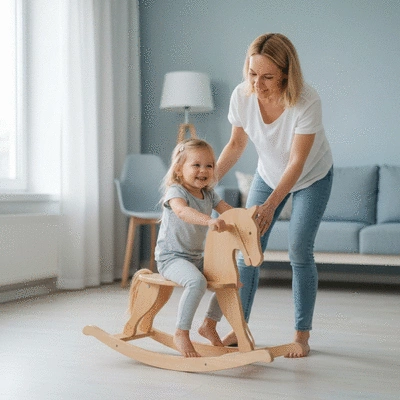
When selecting a rocking horse for your child, safety should be your utmost concern. Understanding the EN 71 standard is key to ensuring your little one's playtime is both enjoyable and secure. Here's what you need to know.
Understanding the various toy safety standards is crucial for ensuring children's well-being during playtime. Below, we compare the key aspects of EN 71, ASTM, and CPSC to highlight their unique focuses and how they contribute to overall toy safety. For example, the CPSC has recently updated its safety standards for infant and infant/toddler rockers, demonstrating their ongoing commitment to child safety.
When it comes to selecting a rocking horse for your little one, safety is undeniably the top priority. That's where the EN 71 standard comes into play! This essential safety regulation ensures that toys, including rocking horses, meet strict safety requirements set forth by the UK government. Understanding EN 71 can help you make informed choices, so let’s dive into what it is and why it’s paramount for your child's playtime.
EN 71 is a comprehensive safety standard specifically designed for children's toys, ensuring they are safe for kids aged 1-5. As a parent or caregiver, it’s crucial to know that any rocking horse you consider should adhere to these guidelines. This standard covers various aspects of toy safety, including mechanical and physical properties, flammability, and chemical safety, providing you with peace of mind when making a purchase.
By ensuring that the rocking horse you choose complies with EN 71, you’re not just buying a toy; you’re investing in your child's safety and well-being. It’s important to always look for the EN 71 mark on the product packaging or the manufacturer's website!
The EN 71 standard is broken down into several parts, each targeting different safety aspects. These components ensure that toy manufacturers adhere to rigorous testing and quality assurance protocols. Here are some of the key sections:
Understanding these parts helps you recognize what makes a rocking horse safe. The emphasis on mechanical properties means you can trust that the horse will withstand enthusiastic play while keeping your child secure.
With EN 71 certification, manufacturers are required to conduct rigorous testing to ensure safety. This certification provides several key assurances:
Having the EN 71 mark on a rocking horse means that it has passed extensive evaluation and is deemed safe for children. As someone who cares deeply about providing children with safe and enjoyable play experiences, I always recommend choosing toys that carry this certification.
While the EN 71 standard is vital for the UK market, it's also useful to understand how it compares to other safety standards, such as ASTM (American Society for Testing and Materials) and CPSC (Consumer Product Safety Commission) guidelines in the United States. Although all these organizations aim to protect children, there are differences in testing methods and criteria. For instance, the CPSC enforces specific safety standards for infant and toddler products, which are detailed in their regulations.
By familiarizing yourself with these standards, you can feel more confident in selecting a rocking horse that ensures your child’s safety, no matter where the toy is made!
When shopping for a rocking horse, always check for the EN 71 certification and consider the age and weight recommendations. This not only ensures safety but also enhances your child's play experience. A rocking horse that fits their developmental stage will encourage more imaginative play and provide lasting joy!
EN 71 is a comprehensive European safety standard for children's toys, ensuring they are safe for ages 1-5. It covers mechanical properties, flammability, and chemical safety.
EN 71 certification ensures that a rocking horse has undergone rigorous testing and meets strict safety requirements, providing assurances regarding its durability, non-toxic materials, and proper labeling.
EN 71 covers several key aspects, including mechanical and physical properties (Part 1), flammability (Part 2), and the migration of certain chemical elements (Part 3).
EN 71 is specific to the European market with a strong focus on chemical safety. ASTM provides general standards for a wide range of toys in the US, while CPSC is a US government agency that enforces comprehensive safety protocols, including labeling, recalls, and bans on hazardous products.
Parents should check for EN 71 certification, inspect for stable design and solid construction, ensure materials are non-toxic, look for absence of sharp edges or small parts, and consider the weight limit for safe usage.
As we wrap up our discussion on rocking horse safety, it’s essential to remember that the well-being of your child always comes first. Choosing a safe rocking horse means taking the time to understand the features and standards that help protect your little ones during play. By prioritizing safety, you'll ensure that your child's playtime is not only fun but also secure!
To help you keep safety at the forefront, here’s a quick recap of the vital safety considerations when choosing a rocking horse:
These factors are pivotal for ensuring that the rocking horse you choose is safe and suitable for your child. Each item on this list adds a layer of confidence as your little one enjoys their new toy!
As parents and caregivers, your role in encouraging safe play cannot be overstated. It’s essential to teach your child how to use their rocking horse properly, emphasizing the importance of safety during play. Engage in conversations about safe habits, such as not standing on the horse and using it in an appropriate area of the house.
Additionally, you can lead by example! Show them how to gently rock and explain why certain behaviors, like sharing their space when others are playing, are essential. With active parental guidance, your child can enjoy a fun and safe rocking experience!
When you’re on the hunt for the perfect rocking horse, having a checklist can be incredibly helpful. Here’s a simple step-by-step guide to ensure you cover all the safety bases:
This checklist will not only streamline your shopping experience but also provide peace of mind as you select a rocking horse that will be perfect for your child!
If you’re looking for more detailed information on toy safety standards, here are some excellent resources to explore:
These resources can serve as valuable references as you navigate the world of children’s toys and ensure that your choices align with the highest safety standards.
As always, I recommend checking out expert recommendations and consumer reviews. Websites like Rocking Horse Reviews provide in-depth reviews and comparisons, helping you make informed choices. Reading feedback from other parents can also give you insights into real-world performance and safety.
By following these steps and utilizing available resources, you’ll be well-equipped to choose a rocking horse that not only captures your child’s imagination but also prioritizes their safety. Happy rocking!
To help you keep safety at the forefront, here’s a quick recap of the vital safety considerations when choosing a rocking horse: