Safety Hazards Addressed
- • Choking Hazards (small parts)
- • Sharp Edges & Points
- • Toxic Materials/Chemicals
- • Flammability Risks
Get Edyta's expert reviews and safety tips straight to your inbox – perfect for UK parents & gift buyers!
Posted on: 2026-05-26
By: Edyta Drabek
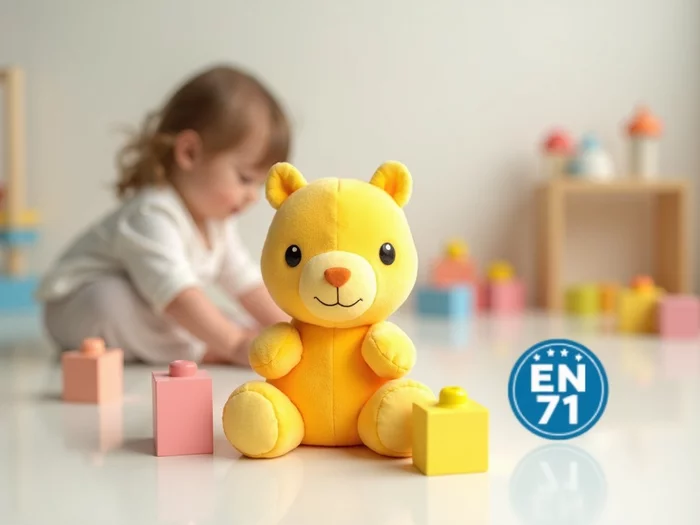
When selecting toys for our little ones, safety is paramount. EN 71 is the European standard that ensures toys meet essential safety criteria, giving parents peace of mind and protecting children from potential hazards. Understanding this standard can greatly influence the safety of playtime.
EN 71 is the cornerstone of toy safety in the EU, addressing critical hazards across multiple categories to ensure children's well-being during playtime. The visual below highlights the primary areas of focus and the stakeholders involved in maintaining these standards.
When it comes to selecting toys for our little ones, safety is always the top priority, right? That's where EN 71 comes into play. This is the European standard that sets the foundation for toy safety, ensuring that the toys we choose for our children meet essential safety criteria. Understanding this standard not only helps parents like me feel more confident in our purchases but it also protects our children from potential hazards.
EN 71 is crucial because it covers a wide range of safety aspects, from the materials used in toys to design features that prevent accidents. Knowing that a toy complies with this standard gives parents peace of mind, knowing that it has been rigorously tested for safety. After all, every child deserves a safe environment to play and grow!
EN 71 is a set of safety standards established by the European Union to ensure that toys are safe for children. It's not just a guideline; it's a comprehensive framework that addresses various safety concerns, including mechanical safety, flammability, and the use of toxic substances. As a parent and toy enthusiast, I find it reassuring to know that compliance with EN 71 means toys have undergone thorough testing to meet high safety standards. For detailed information on these regulations, you can refer to the official Toys (Safety) Regulations 2011.
By adhering to these standards, toy manufacturers can significantly reduce the risk of accidents and injuries, making playtime safe and enjoyable for children!
The EU Toy Safety Directive provides a legal framework, mandating that all toys sold in Europe must comply with EN 71 standards. This directive was put in place to unify safety regulations across member countries, ensuring that every toy on the market meets the same high safety benchmarks. As a result, parents can shop with confidence, knowing that the toys available are rigorously tested and safe for children. The BSI Consumer Brochure "Playing Safe" offers additional insights into toy safety standards.
Staying updated on EN 71 compliance not only helps parents make informed decisions but also encourages manufacturers to prioritize safety in their designs. It’s about ensuring that every child has access to toys that are not only fun but safe!
As we explore the importance of EN 71, it’s essential to understand the specific hazards it addresses. By identifying common risks associated with toys, we can better protect our children during playtime. Safety is not just an afterthought; it's a fundamental aspect of how toys are designed and manufactured.
EN 71 tackles several key toy hazards, ensuring that our children can enjoy their playtime without unnecessary risks. Let’s delve into these common hazards!
Every parent knows that young children are naturally curious and adventurous. However, this curiosity can lead to potential hazards, especially with toys that are not designed with safety in mind. Some of the most common toy hazards include:
By being aware of these hazards, we can make better choices when selecting toys for our little ones. It’s always a good idea to check for safety features that prevent these risks!
EN 71 testing plays a vital role in ensuring that toys are safe from mechanical, chemical, and fire risks. The rigorous testing process evaluates toys on various criteria:
By undergoing these tests, manufacturers can ensure their products comply with safety standards, making them safer for children to use. It’s comforting to know that safety is at the forefront of toy design!
Identifying hazards is the first step to ensuring toy safety. Each toy should be evaluated for potential risks before it reaches the shelves. By understanding the types of hazards that EN 71 addresses, manufacturers can design toys that inherently minimize risks.
This proactive approach to safety is what gives us parents trust in the toys we choose for our children. It’s reassuring to know that our children can engage in imaginative play while minimizing their exposure to harm!
Here's a brief recap of the key points discussed so far:
When we think about the safety of our little ones during playtime, EN 71 stands out as a crucial foundation. This standard plays a vital role in preventing hazards and ensuring that children can enjoy their toys without worry. By adhering to the stringent guidelines set forth by EN 71, manufacturers help create a safe environment where kids can explore and play freely. It's not just about compliance; it's about nurturing peace of mind for parents and caregivers alike!
Every toy that meets EN 71 standards has undergone rigorous testing to identify potential risks. This proactive approach helps to mitigate issues such as choking hazards, sharp edges, and toxic materials, making playtime not just fun but also safe. In my journey at Rocking Horse Reviews, I've seen firsthand how essential these safety measures are for children aged 1-5, allowing them to engage in imaginative play without the fear of injury.
EN 71 addresses several key hazards that can arise during play. Here’s a closer look at what it covers:
Each of these areas is critical to maintaining a safe play environment. By prioritizing these factors, EN 71 helps in building a standard that parents can trust when selecting toys for their children. It's reassuring to know that these measures are in place, especially when considering the joys of rocking horses that are not just fun but safe for kids!
EN 71 compliance is essential not only for manufacturers but also for anyone involved in the toy industry, including:
By embracing EN 71 compliance, all stakeholders share a collective responsibility to protect children. This awareness empowers parents with knowledge, helping them make informed choices when selecting toys, especially when they’re looking for that perfect rocking horse that meets all safety standards!
International standards, like EN 71, greatly influence toy safety practices globally. They offer benchmarks that help ensure consistent safety measures across different markets. As a result, even if a toy is manufactured outside of the UK, it can still adhere to the same high safety standards. This uniformity is vital in today’s global marketplace, where toys often cross borders. For more information on toy safety regulations, the Consumer Product Safety Commission (CPSC) provides valuable resources.
Moreover, as parents, we can feel confident knowing that products bearing the EN 71 label have undergone thorough testing. It’s a mark of quality that assures us that safety is a priority. In my experience, understanding these international standards has helped me guide families in choosing the best and safest rocking horses!
As we navigate the world of toys, it's essential to equip ourselves with knowledge that fosters safety and joy during playtime. At Rocking Horse Reviews, we are dedicated to supporting parents on this journey!
Here’s a simple checklist to help you select safe toys:
By following this checklist, you can make confident decisions that prioritize your child’s safety and enjoyment during play!
Don’t hesitate to reach out to toy manufacturers and ask about their safety practices. Here are some questions you might consider:
Asking these questions can provide valuable insights and reassure you that the toys you choose are safe for your little ones. It’s a small step that makes a big difference!
Finally, as parents, we play a crucial role in ensuring our children’s playtime is both enjoyable and safe. By actively engaging in their play and encouraging imaginative use of toys, we can guide them toward safe play practices. It’s all about finding that balance between fun and safety!
At Rocking Horse Reviews, we're here to help you navigate these decisions, ensuring every playtime is filled with joy and creativity. Together, we can empower our little ones to explore the world safely!
Here is a quick recap of the important points discussed in the article: