Rocking Horse Wisdom Delivered!

Get Edyta's expert reviews and safety tips straight to your inbox – perfect for UK parents & gift buyers!

Understanding EN 71-1 Standards


EN 71-1: Mechanical Safety Requirements for Children's Toys

Posted on: 2026-02-09
By: Edyta Drabek


When it comes to ensuring your child's safety during playtime, understanding toy safety standards is paramount. With so many options available, how can you be sure that your selections are both fun and secure? The EN 71-1 standard offers a framework designed to protect children from potential hazards associated with toys. Let's explore what you need to know!

Key Takeaways

  • EN 71-1 outlines mechanical safety requirements for children's toys in the European market.
  • Toys must withstand rough handling, minimizing risks of breakage and choking hazards.
  • Compliance enhances manufacturer credibility and builds trust with parents.
  • The standard is part of the broader Toy Safety Directive, ensuring toys meet specific safety guidelines for age groups.
  • Regular testing and adherence to standards are mandatory for toy manufacturers to ensure ongoing safety.

Key Aspects of EN 71-1 Toy Safety Compliance

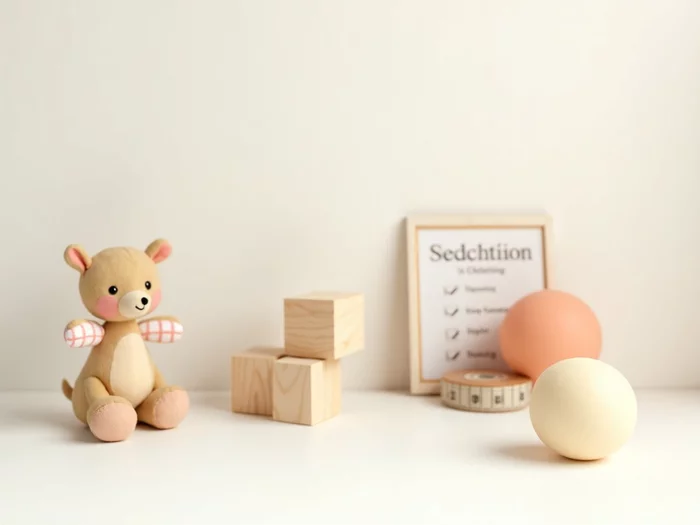
EN 71-1 is a crucial standard for mechanical safety in children's toys within the EU market. The visual below highlights its core requirements, testing protocols, and the broader regulatory framework to ensure children's safety.

What EN 71-1 Covers: Mechanical Safety Focus

  • Durability & resistance to rough handling
  • Prevention of choking hazards from small parts
  • Limits on sharp edges and points

Key Requirements & Compliance

Manufacturers must conduct risk assessments, use compliant materials, and utilize certified testing facilities. Meticulous record-keeping is vital.

EU Toy Safety Directive: Broader Scope

  • EN 71-1: Mechanical Safety
  • EN 71-2: Flammability
  • EN 71-3: Chemical Properties

Understanding EN 71-1: Mechanical Safety Requirements for Children's Toys

As a toy enthusiast and a dedicated writer, I understand that safety is a top concern for parents and gift buyers alike. The EN 71-1 standard plays a crucial role in ensuring that children's toys, including rocking horses, are safe for little ones to enjoy. This section will break down what EN 71-1 is all about and why it matters when choosing toys for children aged 1-5.

In essence, EN 71-1 refers to the mechanical safety requirements set out for toys sold in the European market. It ensures that toys can withstand the rigors of play without posing any danger to children. Understanding these standards equips parents and guardians with vital knowledge when making informed decisions about toy purchases.

What is EN 71-1 and Why is It Important?

EN 71-1 is part of a broader set of European safety standards designed to protect children from toys that might cause harm. This particular standard focuses on mechanical safety, covering aspects like durability and design. Since children are curious and adventurous, it’s essential that toys are meticulously designed to minimize risks. More detailed information on the standard's scope can be found in the EN 71-1 documentation.

  • Ensures toys can endure rough handling without breaking.
  • Addresses potential choking hazards from small parts.
  • Specifies limits on sharp edges and points that can harm toddlers.

The importance of EN 71-1 cannot be overstated. It ensures that toys are not just fun but also safe, giving parents peace of mind as they watch their children play.

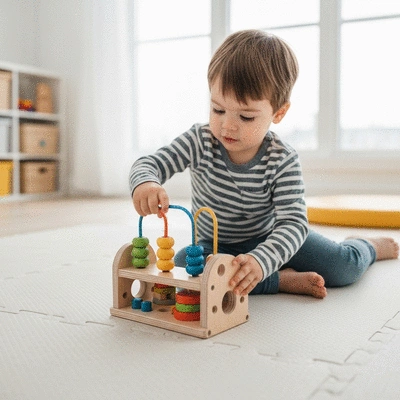
Child playing with a durable, safe wooden toy, showcasing EN 71-1 compliance

The Role of EN 71-1 in Toy Safety Compliance

Compliance with EN 71-1 is essential for toy manufacturers, as it not only safeguards children but also enhances the manufacturer’s credibility. Toys that meet these standards are more likely to be trusted by parents, which is vital in a market as competitive as the toy industry. For a comprehensive overview of the European Toy Safety Directive, which includes EN 71-1, refer to the official European Commission documentation.

For businesses like Rocking Horse Reviews, emphasizing compliance with EN 71-1 in product reviews is key. It helps highlight which rocking horses are not only delightful but also safe for children to use. Understanding this regulatory framework allows families to select only the best for their little ones!

Overview of Toy Safety Regulations in the European Union

The European Union has established a comprehensive framework for toy safety, primarily through the Toy Safety Directive. EN 71-1 is part of this directive and outlines specific mechanical safety requirements that toys must meet before being offered to consumers. You can find a sample of the prEN 71-1 standard for 2024 to understand the ongoing updates and specifics of the requirements.

  • Includes various parts covering different safety aspects: EN 71-1 (mechanical safety), EN 71-2 (flammability), and EN 71-3 (chemical properties).
  • Requires regular testing and adherence to strict safety guidelines.
  • Ensures that toys are suitable for specific age groups, addressing unique developmental needs.

By understanding these regulations, parents can feel confident that the toys they choose, including rocking horses, will provide safe and enjoyable play experiences for their children.

Frequently Asked Questions About EN 71-1 Toy Safety

What is EN 71-1?
EN 71-1 is a European safety standard that specifies mechanical and physical requirements for toys to ensure they are safe for children. It covers aspects such as durability, the prevention of choking hazards from small parts, and limits on sharp edges and points.
Why is EN 71-1 important for toy safety?
It is crucial because it ensures toys can withstand rough handling without breaking, thereby minimizing risks such as choking or injury from sharp components. This standard provides peace of mind for parents and guarantees that toys are not only fun but also safe.
What does EN 71-1 compliance involve for manufacturers?
Compliance requires manufacturers to conduct risk assessments, use compliant materials, utilize certified testing facilities, and maintain meticulous records of testing results and safety measures. It is a critical part of the broader EU Toy Safety Directive.
How does EN 71-1 relate to the broader EU Toy Safety Directive?
EN 71-1 is one part of the comprehensive EU Toy Safety Directive. While EN 71-1 focuses specifically on mechanical and physical safety, other parts of the directive cover different aspects like EN 71-2 (flammability) and EN 71-3 (chemical properties).
How can parents ensure the toys they buy are EN 71-1 compliant?
Parents should look for the CE mark on toys, which indicates compliance with EU safety directives, including EN 71-1. Reputable manufacturers and retailers will often highlight compliance with these standards in their product information.

Concluding Insights on EN 71-1 Compliance for Toy Safety

As we wrap up our exploration of the EN 71-1 compliance requirements, it's essential to highlight the core takeaways regarding safety standards and testing protocols. EN 71-1 serves as a crucial framework that ensures children's toys are safe and free from potential hazards. This means that parents, grandparents, and gift buyers can choose with confidence, knowing that the toys they select for young children adhere to strict safety measures.

To summarize, the main points regarding EN 71-1 include:

  • Comprehensive regulations focused on mechanical safety for children's toys.
  • Specific requirements for various age groups to prevent injuries.
  • Testing methods to evaluate the durability and safety of toy designs.
  • Continuous updates and revisions to keep pace with evolving safety standards.

By understanding these key aspects, stakeholders in the toy industry can better align their practices with safety requirements, ultimately protecting our little ones during playtime!

Toy safety testing in a laboratory with equipment, emphasizing EN 71-1 standards

Next Steps: Ensuring Your Toys Meet EN 71-1 Standards

Now that we have a solid grasp on the importance of EN 71-1 compliance, let's discuss practical steps to ensure your toys meet these standards. It's vital for manufacturers and retailers to implement a thorough approach that covers all bases—from design to marketing. Here’s a handy checklist to guide you:

  • Conduct a risk assessment for every toy design to identify potential hazards.
  • Ensure all materials used comply with safety regulations.
  • Utilize certified testing facilities for compliance evaluations.
  • Keep meticulous records of testing results and safety measures implemented.

Following this checklist will not only help in meeting regulatory standards but also significantly enhance the trust consumers place in your products.

Accessing Resources for Further Information and Compliance Support

For those looking to deepen their understanding of EN 71-1 compliance, numerous resources are available. Notably, organizations like the UK Toy Association and various compliance labs provide invaluable guidance. It's always good practice to:

  • Read up on the latest updates in toy safety regulations.
  • Attend workshops or webinars focused on compliance strategies.
  • Network with other industry professionals for shared insights.

These resources can provide ongoing support to help navigate the complexities of toy safety standards.

Contacting Testing Labs for Professional Services and Guidance

When it comes to ensuring compliance, reaching out to professional testing labs is a smart move. These experts can offer tailored advice and services to help you meet EN 71-1 standards effectively. Consider the following when selecting a lab:

  • Verify their accreditation and experience in toy testing.
  • Inquire about their testing methods and turnaround times.
  • Discuss the costs involved and any additional services they might offer.

Establishing a good relationship with a testing lab can simplify your compliance journey and provide peace of mind as you bring toys to market.

Understanding Market Access Requirements and Product Recalls

Finally, it’s crucial to stay informed about market access requirements specific to your region. Compliance with EN 71-1 is just one piece of the puzzle, and understanding the broader landscape can help you avoid costly mistakes. Be mindful of:

  • The necessity of CE marking for products sold in the UK and EU.
  • Regulations regarding product recalls and consumer safety.
  • Best practices for reporting any safety issues that arise post-sale.

By keeping these factors in mind, you can navigate the regulatory waters with greater confidence, ensuring the safety and satisfaction of the families who rely on your toys.

Recap of Key Points

Here is a quick recap of the important points discussed in the article:
  • EN 71-1 outlines the mechanical safety requirements for children's toys, ensuring they are safe for play.
  • Compliance with EN 71-1 enhances manufacturer credibility and ensures toys are durable and free from hazards.
  • Regular testing and adherence to safety guidelines are vital for compliance with EN 71-1 standards.
  • Parents can feel confident choosing toys that meet these regulations, providing safe play experiences for their children.

Subscribe & Share
Rocking Horses That Grow With Kids Adjustable and Durable Rocking Horses: Growing with Your Child Did you know that a well-chosen rocking horse can become a cherished family heirloom? These timeless
Rocking Horse Gift Sets Explained Rocking Horse Gift Sets: What’s Included & Why They Make Perfect Presents Choosing the right gift for a child can often be daunting, especially with so many options available
Recycled Materials in Rocking Horses: Pros and Cons The Pros and Cons of Using Recycled Materials in Rocking Horses Choosing a rocking horse is more than just picking a toy; it's about making a sustainable choice for
Banner
Rocking Horse Reviews

Your trusted UK guide for finding the perfect rocking horse for children aged 1-5. We help parents, grandparents, and gift buyers make informed choices with our expert insights.

Trusted by families across the UK, our mission is to provide reliable, in-depth reviews and comprehensive buying guides, all backed by UK toy safety standards.

Discover More
Recent Posts
Adjustable and Durable Rocking Horses: Growing with Your Child Rocking Horses That Grow With Kids

Did you know that a well-chosen rocking horse can

Rocking Horse Gift Sets: What’s Included & Why They Make Perfect Presents Rocking Horse Gift Sets Explained

Choosing the right gift for a child can often be d

The Pros and Cons of Using Recycled Materials in Rocking Horses Recycled Materials in Rocking Horses: Pros and Cons

Choosing a rocking horse is more than just picking

Rocking Horse Wisdom & Tips