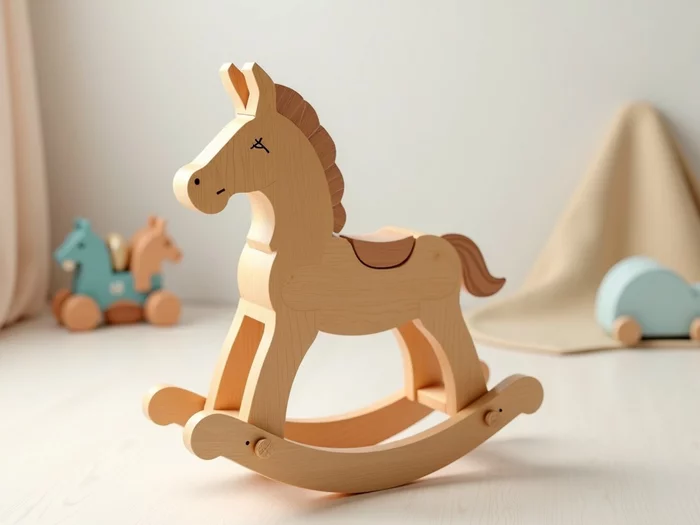
When it comes to selecting a rocking horse for your little ones, safety should be your top priority. Did you know that the EN 71 certification ensures toys adhere to strict safety standards? Understanding this certification can give you peace of mind when making your purchase.
What You Will Learn
EN 71 certification is vital for ensuring the safety of toys, including rocking horses.
The EU Toy Safety Directive mandates compliance with EN 71 standards for all toys sold in the EU.
Key safety aspects covered by EN 71 include mechanical safety, chemical safety, and age appropriateness.
EN 71-1 specifically addresses mechanical and physical safety, ensuring the toy can withstand active play without hazards.
EN 71-3 focuses on chemical safety, ensuring materials used in rocking horses are free from harmful substances.
EN 71-8 emphasizes stability and weight limits, key for preventing accidents during play.
Checking for EN 71 certification helps parents make informed choices to ensure a safe play environment for children.
Key EN 71 Standards for Rocking Horses
EN 71 certification ensures that rocking horses meet crucial safety standards across mechanical, chemical, and activity toy aspects, providing peace of mind for parents and caregivers.
EN 71-1: Mechanical & Physical Safety
Ensures the toy's structural integrity, preventing hazards like sharp edges or easily detachable parts. Focuses on stability, strength, and durability through rigorous testing.
Stability (prevents tipping)
Weight Limitations (prevents overloading)
Material Safety (non-toxic)
EN 71-3: Chemical Safety
Limits the migration of harmful chemical substances and heavy metals from toy materials to children, crucial for items children might put in their mouths.
Tests for toxic substances
Limits heavy metals (lead, cadmium)
Promotes non-toxic materials
EN 71-8: Activity Toy Safety
Specifically addresses activity toys, ensuring stability, appropriate weight limits, and mitigation of fall hazards for active play.
Stability for active use
Age-appropriate design
Reduces fall risks
EN 71 Benefits for Consumers
The certification builds trust, prevents accidents, and informs purchasing decisions, ensuring a safer play environment for children.
Prevents accidents & injuries
Builds trust in toy quality
Informs purchasing decisions
Understanding EN 71 Certification and Its Importance for Rocking Horses
Choosing a rocking horse for your child is not just about how fun it looks—safety is paramount! This is where understanding EN 71 certification comes into play. As a passionate toy enthusiast myself, I always emphasize the significance of this certification to parents and caregivers. EN 71 ensures that toys, especially rocking horses, meet stringent safety standards that protect our little ones during playtime.
The EN 71 certification is a European standard that focuses on the safety of toys. It covers various aspects such as mechanical properties, chemical safety, and activity toys, making it crucial for ensuring that the products children interact with are safe. Today, I want to guide you through what EN 71 is all about and why it matters when selecting the perfect rocking horse.
Defining EN 71 and Its Regulatory Context
What is EN 71 Certification?
EN 71 is a set of safety standards for toys established by the European Union. Essentially, it helps ensure that toys are safe for children to use. This is especially important for rocking horses, which can be a source of joy but also a potential hazard if not designed correctly. The certification covers various safety tests, and only those products that pass these tests are granted the EN 71 mark—the golden standard for toy safety!
As a parent, looking for this certification on a rocking horse means you're choosing a product that has been rigorously tested for safety. This not only helps protect your child but also gives you peace of mind while they play.
The Legal Necessity of EN 71 Under the EU Toy Safety Directive
The EU Toy Safety Directive mandates that all toys sold in the EU, including rocking horses, must comply with the EN 71 standards. This legal framework ensures that all toys are safe for children, which is a huge relief for parents. Non-compliance can lead to serious legal implications for manufacturers, which means they are highly motivated to meet these standards. When you see the EN 71 mark, it's a sign that the toy has been held to rigorous safety criteria.
This directive isn’t just a formality; it serves as a critical layer of protection for children. I can’t stress enough the significance of checking for this certification when buying a rocking horse, as it assures you that the toy aligns with the highest safety standards.
Overview of Safety Regulations for Children's Toys
Mechanical Safety: Ensures that toys do not have parts that can be easily broken off.
Chemical Safety: Tests for harmful substances and materials that could pose health risks.
Flammability: Checks how easily a toy might catch fire.
Age Appropriateness: Ensures the toy is suitable for the intended age group.
Understanding these safety regulations allows you to make informed choices. In my experience, I've seen how crucial it is for parents to be aware of these guidelines, as they directly affect the safety of our children during playtime. Choosing a rocking horse that adheres to these regulations means investing in your child's happiness and safety!
Key EN 71 Standards Relevant to Rocking Horses
Now that we've covered the basics of EN 71 certification, let's dive deeper into some key standards that specifically apply to rocking horses. Knowing these can further guide you in your purchasing decisions!
EN 71-1: Ensuring Mechanical and Physical Safety
Understanding Mechanical Properties and Compliance
EN 71-1 focuses on mechanical safety, which is crucial for a rocking horse to ensure it can withstand the energy of a child's play without breaking apart. This standard includes tests for stability, strength, and overall durability. For example, a rocking horse should not tip over easily or have any sharp edges that could harm your child.
When I evaluate rocking horses, I always check for compliance with this standard. A well-designed horse that meets EN 71-1 gives you the assurance that it’s safe for your child to enjoy!
Addressing Hazardous Components and Structural Integrity
Another vital aspect of EN 71-1 is its emphasis on identifying hazardous components. This means that any materials used in the rocking horse must be tested for safety. Manufacturers need to provide evidence that their products are free of sharp edges, small detachable parts, or toxic substances. It’s encouraging to know that the stringent tests ensure a robust structure that can handle the rough and tumble of children playing.
When selecting a rocking horse, look for those that clearly indicate compliance with EN 71-1! This can significantly reduce the risks associated with playtime.
Evaluating Safety Features for Child Play Equipment
Stability: Ensures the rocking horse remains upright during use.
Weight Limitations: Specifies the maximum weight to prevent overloading.
Material Safety: Ensures all materials used are non-toxic and safe for children.
These features are vital for providing a secure play experience. By understanding these elements, you can better assess which rocking horse will be the safest choice for your little one!
EN 71-3: Evaluating Chemical Safety in Materials
What is Chemical Migration and Why It Matters?
Chemical migration refers to the potential transfer of harmful substances from the toy materials to a child. EN 71-3 sets stringent limits on what can be present in toys, ensuring that any chemical substances are well below safety thresholds. This is particularly important for rocking horses, as young children are likely to put things in their mouths.
Knowing that rocking horses meet the EN 71-3 standard gives parents confidence that the materials used are safe. It’s a critical aspect I consider when reviewing products, as the safety of the materials can directly impact a child’s health.
Testing for Toxic Substances and Heavy Metals
Another key element of EN 71-3 involves testing for toxic substances and heavy metals such as lead and cadmium. These materials can pose serious health risks, so compliance with this standard is vital for any rocking horse. Manufacturers must provide proof that their toys have been tested rigorously to ensure they are free from harmful compounds.
When you see the EN 71-3 certification, you can rest assured that the rocking horse is designed with your child's safety in mind!
The Role of Non-Toxic Materials in Safe Toy Design
Natural Wood: A popular choice for rocking horses, emphasizing sustainability and safety.
Water-Based Paints: Ensure vibrant colors without harmful solvents.
Soft Fabrics: Used in plush rocking horses, providing comfort and safety.
Always consider these material choices when buying a rocking horse! Non-toxic options are essential for a safe and enjoyable play experience. As I help families choose the right toys, I always emphasize the importance of material safety to ensure every child can play freely without worry.
EN 71-8: Safety Standards for Activity Toys
Importance of Stability and Weight Limits for Rocking Horses
EN 71-8 focuses on activity toys, ensuring they are stable and appropriate for the intended age group. Stability is crucial for rocking horses to prevent tipping, and manufacturers must adhere to specific weight limits to ensure safety during play. This standard supports the development of toys that can be enjoyed without compromising safety.
In my experience, a rocking horse that meets EN 71-8 requirements is a reliable choice for parents. It indicates that the toy can bear the weight of active play while remaining stable—making it an ideal companion for your child!
Identifying and Mitigating Fall Hazards
A critical aspect of EN 71-8 is its emphasis on identifying potential fall hazards associated with activity toys. Designers must implement features that minimize the risk of falls, such as low profiles and secure bases. This means selecting a rocking horse that adheres to these standards can significantly reduce the likelihood of accidents.
It’s reassuring to know that when a rocking horse complies with EN 71-8, it has been designed with your child’s safety at the forefront. This emphasis on safety allows for a joyful playtime experience without unnecessary risks!
Frequently Asked Questions About EN 71 Certification for Rocking Horses
What is EN 71 certification?
EN 71 is a set of European safety standards for toys, ensuring they are safe for children by covering mechanical, chemical, and flammability aspects, as well as age appropriateness. For more detailed information, you can refer to the GSA's safety requirements for rocking horses.
Why is EN 71 certification important for rocking horses?
It is crucial because it ensures rocking horses meet stringent safety criteria, preventing hazards like tipping, sharp edges, or exposure to harmful chemicals, thereby protecting children during play.
What specific aspects of safety does EN 71 cover for rocking horses?
EN 71 covers mechanical and physical safety (EN 71-1), chemical safety by limiting harmful substances (EN 71-3), and safety for activity toys like stability and fall prevention (EN 71-8).
Is EN 71 certification legally required for toys sold in the EU?
Yes, the EU Toy Safety Directive mandates that all toys sold within the European Union, including rocking horses, must comply with EN 71 standards.
How can I ensure a rocking horse is EN 71 certified?
Look for clear labeling on the product packaging indicating EN 71 compliance. You can also research the manufacturer's reputation and check reviews from other parents.
Pro Tip
When shopping for a rocking horse, consider not only the EN 71 certification but also the manufacturer's reputation. Look for brands that prioritize safety and have a history of compliance with safety standards. Reading reviews and testimonials from other parents can provide valuable insights into the quality and safety of a product!
Summarizing the Importance of EN 71 Certification for Rocking Horses
As a parent or caregiver, I know how crucial it is to ensure the toys we choose for our little ones are safe and reliable. That’s where EN 71 certification comes into play. This certification provides a framework for understanding the safety of rocking horses, giving us peace of mind when we make our purchases. Let’s explore why compliance should be a priority not just for manufacturers, but also for us as consumers!
Ensures adherence to strict safety regulations
Helps prevent accidents and injuries
Builds trust in the quality of toys
Informs better purchasing decisions
When we choose rocking horses that are EN 71 certified, we are actively contributing to a safer play environment for our children. It’s more than just a checkmark on a box; it reflects a commitment to quality and safety in toy design. As a toy enthusiast, I can’t stress enough how vital it is to prioritize these certifications for our peace of mind!
Taking Action: Ensuring Safety in Toy Design and Purchasing Decisions
Now that we understand the significance of EN 71 certification, we must take action in our toy purchasing decisions. Here are some steps we can all follow to ensure safety in toy design:
Research manufacturers and their compliance with EN 71 standards
Look for clear labeling on packaging that indicates certification
Read reviews and testimonials from other parents
Engage with credible toy safety resources for additional guidance
By being proactive, we empower ourselves and ensure that the rocking horses we select not only meet safety standards but also spark joy and creativity in our children's playtime. Remember, it's all about making informed choices that will pave the way for cherished memories!
Call to Action: Stay Informed and Safe
Resources for Further Reading on EN 71 Standards
To deepen your understanding of EN 71 standards and their impact on toy safety, I encourage you to explore various resources. Websites dedicated to toy safety and parenting advice can provide valuable insights, tips, and updates on the latest safety regulations. Always stay informed!
Encouragement to Check Certifications Before Purchase
Before making a purchase, it’s essential to check for EN 71 certification. This small step can make a significant difference in ensuring your child's safety while playing. Don’t hesitate to ask sellers about certifications if it's not clearly marked. As I always say, a little diligence goes a long way in safeguarding those precious playtimes!
Understanding Consumer Awareness in Toy Safety
As consumers, our awareness of toy safety standards can drive demand for better quality toys in the market. By advocating for safety through our purchasing choices, we not only protect our children but also influence manufacturers to prioritize compliance. Let’s work together to create a safer play environment for the next generation!
Recap of Key Points
Here is a quick recap of the important points discussed in the article:
EN 71 certification ensures that rocking horses meet strict safety standards, providing peace of mind for parents.
The EU Toy Safety Directive mandates compliance with EN 71, making it crucial for manufacturers to adhere to these regulations.
Key safety aspects of EN 71 include mechanical safety, chemical safety, and age appropriateness.
When purchasing a rocking horse, always look for the EN 71 mark to ensure safety and quality.
Research manufacturers, check for certifications, and read reviews to make informed decisions about toy safety.
Your trusted UK guide for finding the perfect rocking horse for children aged 1-5. We help parents, grandparents, and gift buyers make informed choices with our expert insights.
Trusted by families across the UK, our mission is to provide reliable, in-depth reviews and comprehensive buying guides, all backed by UK toy safety standards.
Tip — Always check for the EN 71 safety standard when buying a rocking horse in the UK. It ensures your little one's playtime is safe and sound!
Tip — Consider your child's age! For toddlers 1-2, look for low-profile designs with good stability. For 3-5 year olds, more adventurous models can spark endless fun.
Tip — Wooden or plush? Wooden rocking horses offer durability and classic charm, while plush ones provide a soft, cuddly friend. Which suits your family's style?
Tip — Don't forget about maintenance! Wooden horses are easy to wipe clean, while plush ones might need a spot clean or a gentle brush to keep them looking fresh.
Tip — Look for adjustable features! Some rocking horses offer stirrups or handles that can be adjusted as your child grows, ensuring years of joyful rides.